Email Blast: What It Is and How to Send One Effectively
When you need to get a message in front of your whole audience fast, an email blast is one of the simplest tools in marketing. This guide explains what an email blast is, when to use one, how to create it, and the best practices that keep your emails landing well. Whether you are new to email marketing or refining an existing email marketing strategy, the aim is practical clarity so your next email blast drives real results.
What is an email blast
An email blast, also called an e-blast or mass email, is a single email message sent to a large group of recipients at once. It might be a sale alert, a company update, or a newsletter sent to your whole email list in one go. The core idea is simple: share important news with a broad audience quickly, without waiting for behavior-based triggers.
People use several names for it. You may hear it called a bulk email or simply a broadcast. A bulk email describes the same idea: one message, many inboxes, sent on a schedule you choose. Unlike a one-to-one note, a blast treats your audience as a single group and delivers the same message to everyone at once.
This makes the email blast a foundational tactic in email marketing. It is fast to plan, easy to measure, and works for almost any business that has collected email addresses with permission. When you understand how it fits alongside other campaigns, you can use it deliberately.
Why email blasts matter in marketing
An email blast is one of the fastest ways to reach many people. For a business, it builds awareness and prompts action, whether that action is a click, a purchase, or a signup. Email marketing remains one of the highest-return channels available, a point reinforced by every annual state of marketing report, and the blast is its most direct form because it puts your message in front of the whole audience at once.
The economics are compelling. Compared with paid advertising, a blast costs very little to send once you have built a list, and the outcome is easy to track. You can see clicks and conversions for every campaign, which makes this one of the most measurable parts of any digital marketing program. Each report feeds the next round of decisions, so your marketing gets sharper over time.
The email blast also pairs well with other channels. It can amplify a piece of content you promote through social media for your business, or it can re-engage leads you first captured through live chat lead generation. Used this way, the blast becomes a connective thread across your campaigns rather than an isolated send.
Types of email blasts
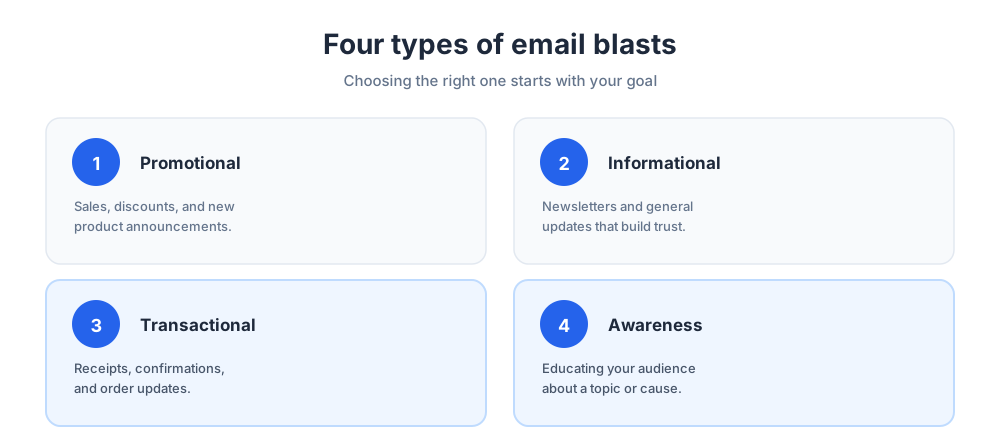
Email blasts come in different forms, and choosing the right one starts with your goal. Below are the most common types, with quick examples of when each works best.
Promotional and sales blasts
A promotional email advertises a sale, a discount, or a new product. A flash sale blast is a classic example: a short window of urgency that pushes readers to act now. These email blast campaigns lean on a strong subject line and a clear call to action, and they often produce the highest short-term return of any marketing campaigns you run.
Informational blasts and newsletters
Informational blasts and email newsletters keep your audience updated without always asking for a sale. A regular newsletter builds trust, keeps your business top of mind, and gives people a reason to stay subscribed. Newsletters also work as a steady home for content you want every reader to see.
Lifecycle and awareness blasts
A welcome email greets new email subscribers and sets expectations for what you will send. Awareness campaigns educate your audience about a problem your product solves. Even transactional notes, while not true blasts, show how email touches the customer journey. Together these examples cover most reasons a business reaches its audience.
Email blast vs email marketing
An email blast is one tactic within email marketing, not the whole discipline. The channel also includes automated sequences, behavior-triggered messages, and segmented sends that reach a slice of your list rather than everyone. A blast reaches the entire email list at once; a wider strategy mixes blasts with automated flows so the right message finds the right person.
Think of it as breadth versus precision. The email blast delivers breadth: one message, sent fast, to a large group. A marketing automation tool delivers precision: it watches for signals such as a signup or a purchase and triggers a follow-up automatically. Strong programs use both, because a blast announces while automated flows nurture.
The practical takeaway is that you should not treat the blast as your only move. Pair it with personalization and segmentation so people feel the message was meant for them. When breadth and precision work together, your campaigns perform far better than blasts alone.
How to create an email blast
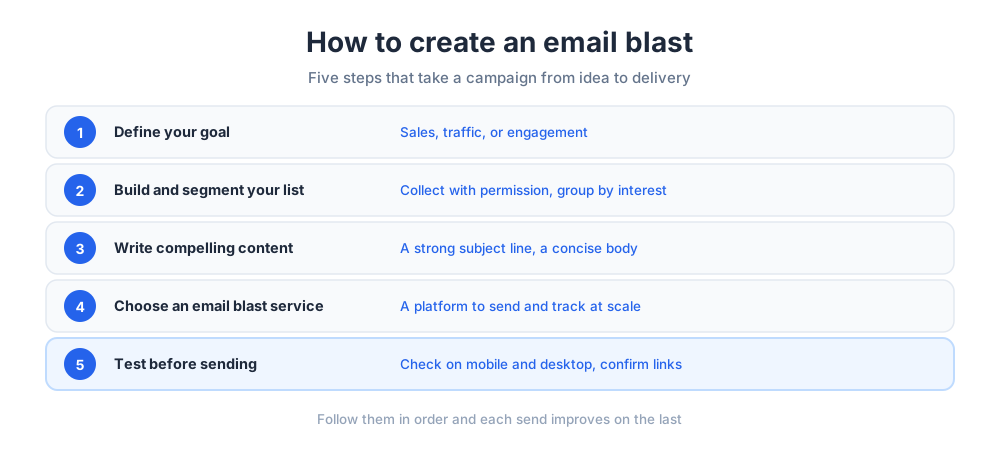
Creating an effective email blast takes a few clear steps. Follow them in order and each send improves on the last.
Define your goal
Decide what you want from the campaign: sales, traffic, or engagement. A goal shapes every later choice, from the subject line to the call to action. Without one, the outcome is hard to read.
Build and segment your list
Your email blast is only as good as the audience behind it. Collect contacts with clear permission, keep your list clean, and use email list segmentation to group people by interest or behavior. Even a simple split improves relevance and protects deliverability.
Write compelling content
The subject line must catch attention, and the email content should be concise and scannable. Good email design keeps the layout simple, mobile-friendly, and focused on one main action. Reusable email templates speed this up and keep your branding consistent across every campaign. Aim for one clear email blast message per send rather than crowding several offers together.
Choose an email blast service
An email blast service or email service provider helps you send and track at scale. The right email marketing service handles list management, scheduling, and reporting in one place. Look for an email service with solid placement rates and clear analytics so you can send confidently.
Test before sending
Check the email on mobile and desktop, send a test to yourself, and confirm every link works before you reach the full audience. A quick test catches the broken image or typo that would otherwise hit thousands of subscribers.
Email blast best practices
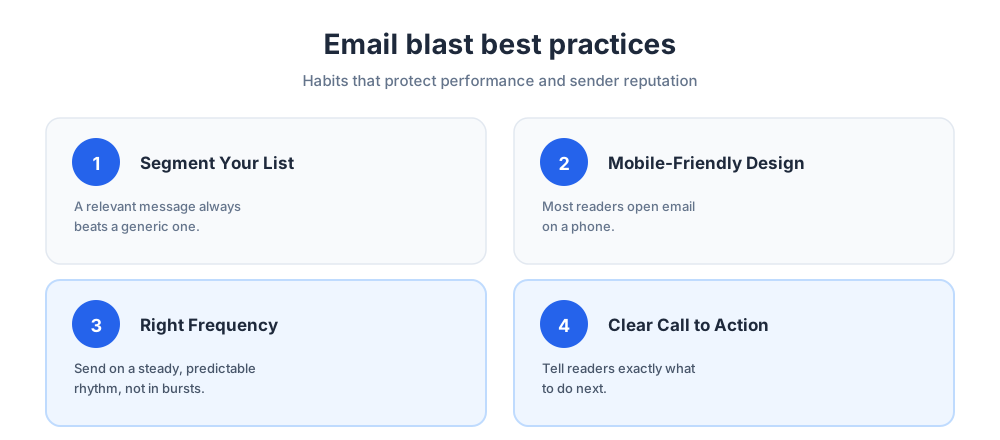
Strong email blasts follow best practices that protect both performance and reputation. Segment your audience, make emails mobile-friendly, space out your sends, and include a single clear call to action. Segmentation lifts engagement because a relevant message always beats a generic one.
Respect frequency and consistency
Send on a predictable rhythm. Too many blasts wear out your audience and raise unsubscribe rates; too few and people forget who you are. A steady cadence trains readers to expect your email and keeps engagement stable. Consistency, more than volume, is what builds a durable email marketing strategy.
Personalize and measure
Use personalization beyond a first name; tailor each message to what each segment cares about. Then measure everything: track opens, clicks, and conversions for every campaign, and let the numbers guide the next send. Reviewing customer behavior and gathering customer feedback tells you which subject lines and offers actually move people. The effective ones earn a place in your template library; the rest get cut.
Pros and cons of email blasting
Email blasting reaches a wide audience cheaply and gives measurable results, which is why so many marketing teams rely on it. A blast is fast to produce, simple to schedule, and works for nearly any business. It also scales: reaching ten thousand subscribers takes almost the same effort as reaching one hundred.
The cons are real, though. A blast is less personalized than triggered, strategic emails, so it can feel generic to part of your audience. Sent too often or to a stale list, it can prompt spam complaints and hurt your sender reputation. And because everyone gets the same content, a blast rarely matches the conversion rate of a well-targeted campaign aimed at a single segment.
The balanced view is to use the email blast for what it does best, broad and timely announcements, while leaning on automation and personalization for everything that benefits from precision. Knowing the trade-offs lets you choose the tactic that fits each goal, a judgment that matters as much in email as it does in B2B sales.
Best email blast services and tools
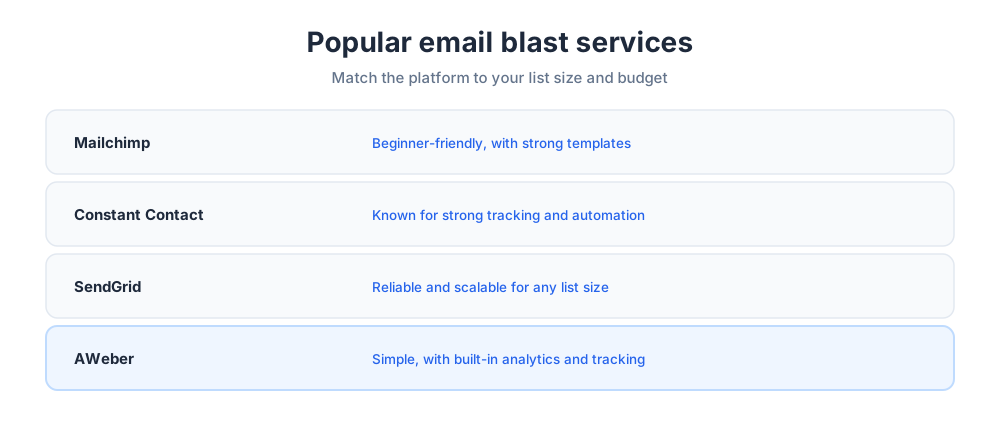
A reliable email blast service is essential, because the platform you choose shapes how easily you can build, send, and measure every campaign. Mailchimp, Constant Contact, SendGrid, and AWeber are well-regarded email marketing tools with templates, scheduling, and tracking built in. These email marketing services cover everything from simple broadcasts to recurring campaigns. For larger teams, Salesforce offers email capability inside a broader marketing platform that ties each send to a wider customer record.
What to look for in a platform
Compare email marketing features such as audience management, segmentation, scheduling, and reporting. Good email marketing software makes layout work simple with drag-and-drop editors and a library of email templates. If you expect to grow, pick an automation platform that can run drip campaigns alongside one-off blasts so you are not forced to switch later.
Matching tools to your stage
A small business may only need a straightforward email blast service with clean templates and dependable sending. A growing team benefits from deeper automated workflows and a platform that connects to other systems. For a broader view, see our roundup of the best marketing automation tools. The right choice depends on your audience size, budget, and how much you plan to automate.
Email blast deliverability and avoiding spam
Email deliverability decides whether your message reaches the inbox or never gets seen. Even a great campaign fails if it lands in the spam folder, so placement deserves attention before each send. Keep a clean list by removing inactive addresses, avoid trigger words in your subject lines, and watch your open rate as an early warning sign.
Mailbox providers such as Gmail judge your sender reputation. They watch how recipients react: opens, replies, and complaints all feed the spam filters that decide placement. Authenticate your domain, send only to people who opted in, and keep your content honest. Misleading subject lines are a fast way to get flagged.
Treat this as ongoing maintenance, not a one-time fix. Prune your audience regularly, monitor bounce and complaint rates, and warm up new sending domains slowly. Healthy habits keep your email blast in front of real subscribers.
Legal and ethical considerations
Follow GDPR and the CAN-SPAM rules when you run any email blast. The spam act and similar regulations require that you be transparent in subject lines, email only people who opted in, and always offer an easy, one-click unsubscribe. These are legal minimums, not optional extras.
Ethics go a step beyond the law. Honor unsubscribe requests immediately, never buy lists of contacts, and send the kind of content you would want to receive. Permission-based sending is also good marketing: subscribers who chose to hear from you engage more and complain less. Respecting your audience is the most reliable long-term strategy in email marketing.
Email blast FAQs
Common questions about email blasts cover whether they are legal and how to send one well.
Are email blasts legal?
Yes, when you follow the rules. Send only to subscribers who opted in, identify your business clearly, and include an unsubscribe link in every email. The CAN-SPAM law and GDPR set the baseline.
What is another name for an email blast?
It is also called an e-blast, a mass email, or a broadcast. They all describe the same idea: one message sent to a large audience at once, the same email campaign reaching everyone together.
How often should I send an email blast?
There is no universal answer; it depends on your audience and your content. A consistent, predictable schedule beats a high volume of low-value sends. Watch your unsubscribe rate, and adjust frequency based on what the results tell you.
What do I need to start?
You need a permission-based email list, a clear goal, and an email blast service to handle sending and reporting. From there, plan email marketing campaigns around a calendar so each blast supports the next.
Related reading: B2B cold email templates.
Frequently Asked Questions
Is email blasting illegal?
Email blasting is legal when you follow the rules. In the United States the CAN-SPAM Act requires honest subject lines, a real sender address, a physical mailing address, and a working unsubscribe link. In the EU and UK, GDPR requires clear consent before you email someone. Blasting becomes a problem only when you email people who never opted in or hide the unsubscribe option. Send to a permission-based list and keep an easy opt-out, and an email blast is fully legal.
What do you call an email blast?
An email blast goes by several names. It is also called an e-blast, a mass email, a bulk email, or simply a broadcast. All of them describe the same thing: a single email message sent to a large group of recipients at once, rather than a one-to-one note or a behavior-triggered automated email. Some marketers prefer the term broadcast because blast can sound aggressive, but the meaning is identical.
How do I create an email blast?
Creating an email blast takes five steps. First, define your goal, whether that is sales, traffic, or engagement. Second, build and segment your email list so the message reaches a relevant audience. Third, write compelling content with a strong subject line and one clear call to action. Fourth, choose an email blast service such as Mailchimp or Constant Contact to send and track it. Fifth, test the email on mobile and desktop before sending it to everyone.
What is an email blast?
An email blast is a single email message sent to a large group of recipients at the same time. It might be a sale alert, a company update, or a newsletter delivered to your whole email list in one go. The goal is to share important news with a broad audience quickly. An email blast is a foundational tactic within email marketing, valued because it is fast to plan, cheap to send, and easy to measure.
What is the difference between an email blast and email marketing?
An email blast is one tactic within email marketing, not the whole discipline. Email marketing also includes automated sequences, drip campaigns, and behavior-triggered messages that reach a slice of your list rather than everyone. A blast delivers breadth, sending one message fast to a large group, while automated flows deliver precision. Strong programs use both: the blast announces, and automated flows nurture each subscriber over time.
When should you send an email blast?
Send an email blast when you have news that genuinely applies to your whole audience: a sale, a product launch, a major company update, or a regular newsletter. A flash sale with a short window is a classic use because it creates urgency. Avoid blasting for messages that only matter to a segment; those belong in a targeted or automated send. Match the message to the size of the audience that truly needs it.
How often should you send email blasts?
There is no single right number; consistency matters more than frequency. Many businesses do well sending one to four email blasts a month. Sending too often wears out your audience and raises unsubscribe rates, while sending too rarely makes people forget who you are. Pick a steady, predictable rhythm your audience can expect, and adjust based on engagement metrics rather than guessing.
What are the pros and cons of email blasts?
The pros: an email blast reaches a wide audience fast, costs very little once you have a list, and gives measurable results through open and click rates. The cons: a blast is less personalized than a segmented or automated send, so it can feel generic, and overusing it risks spam complaints and unsubscribes. Used thoughtfully, with segmentation and a steady cadence, the benefits clearly outweigh the drawbacks.
How do I keep email blasts out of the spam folder?
Deliverability depends on a few habits. Keep a clean list by removing inactive and invalid addresses. Only email people who opted in. Avoid spam trigger words and all-caps subject lines. Authenticate your sending domain, send at a steady volume, and watch your open rate and complaint rate. A relevant message to an engaged list is the strongest signal to spam filters that your email belongs in the inbox.
What is the best email blast service?
There is no single best service, only the best fit for your needs. Mailchimp is beginner-friendly with strong templates, Constant Contact is known for tracking and automation, SendGrid is reliable and scalable for large volumes, and AWeber is simple with built-in analytics. Choose based on your list size, budget, and how much automation you need. Always confirm current pricing and features on each provider's own page.
How do you measure email blast success?
Track a few key metrics for every email blast. Open rate shows how well your subject line performs. Click-through rate shows whether the content and call to action engaged readers. Conversion rate links the blast to real results like sales or signups. Unsubscribe and spam-complaint rates warn you if you are sending too often or to the wrong people. Compare these over time to see which sends actually work.
How can I make my email blasts more effective?
Segment your list so each message is relevant, since a targeted email always beats a generic one. Write a clear, honest subject line and one focused call to action. Use mobile-friendly design, because most people read email on a phone. Personalize beyond a first name by tailoring offers to what each segment cares about. Test before sending, and review the results so each blast improves on the last.
Are email blasts still effective in 2026?
Yes. Email remains one of the highest-return marketing channels, and the email blast is its most direct form. It works best as part of a wider strategy that also uses segmentation and automation. Inboxes are crowded, so a blast succeeds only when the message is genuinely relevant and well-timed. Businesses that respect their audience, send consistently, and measure results still see strong returns from email blasts.
Related articles
More in Tools & productivity →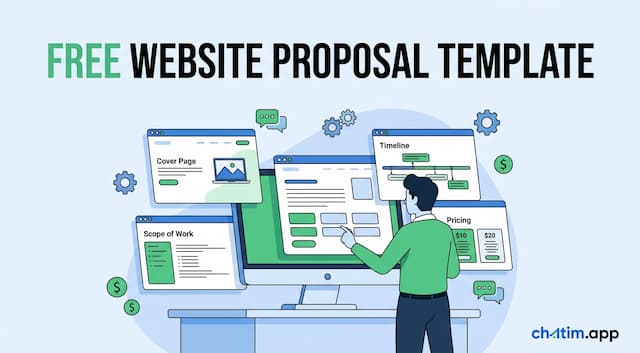 Website Proposal Template: 8 Sections That Win (2026)
A free website proposal template with all 8 sections copy-paste ready, plus the walkthrough: scoping, three-tier pricing, follow-up, and the expiry date.
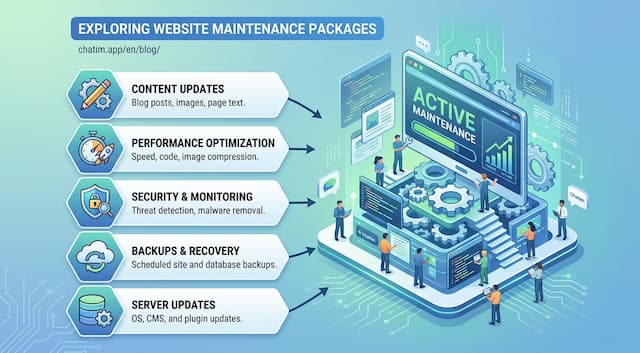 Website Maintenance Packages: What to Include & Charge (2026)
What goes into a website maintenance package, how providers price three tiers, the full maintenance checklist, and the recurring line items clients notice.
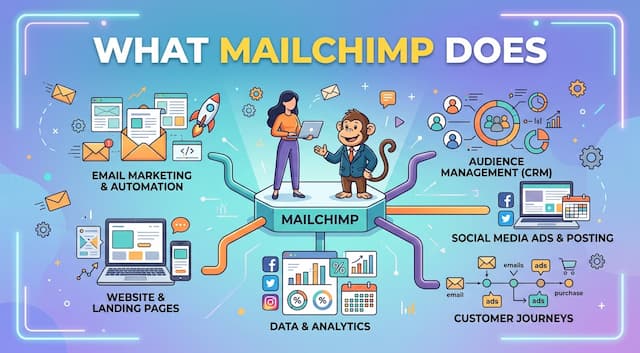 What Is Mailchimp? A Complete Guide to What It Does
Mailchimp is a leading email marketing platform. Learn what it is, what it does, its features and plans, and top alternatives.
 20 Best Email Tracking Software Tools to Use in 2026
20 email tracking tools compared: Mailtrack, HubSpot, Mixmax, Mailchimp, ZeroBounce. Pricing, free tiers, Gmail and Outlook picks for sales teams.