Discount Code Ideas: 40+ Promo Codes to Boost Your Sales
A well-timed coupon can be the final nudge that turns a browser into a buyer. From seasonal deals to exclusive offers for loyal customers, the right coupon drives sales and builds lasting goodwill. This guide collects practical discount code ideas, real promo code examples, and tips for crafting offers customers cannot resist.
Whether you run a small shop or a growing ecommerce business, these discount code ideas will help you plan smarter campaigns and get more from every coupon. We will walk through the main code formats, share dozens of ready-to-use coupon code ideas, and show you where to promote each offer. Treat this as a working playbook: pick the discount code ideas that fit your brand, adapt the example codes, and build a calendar of coupon campaigns you can repeat all year. Coupon code ideas work best when each one has a clear purpose.
Why discount codes work
A coupon code is more than a perk. It attracts new shoppers, wins back lapsed ones, and rewards loyal customers. A good coupon code creates urgency and makes a buyer feel they are getting a genuine deal, which is often the push that completes a purchase. For many online businesses, a single well-targeted coupon converts more browsers than a week of ordinary marketing.
There is real psychology behind why coupons and discounts move people. A discount lowers the perceived risk of a first order, gives an undecided buyer a reason to act today instead of next month, and rewards the action you want. A coupon is also measurable: because every code is tracked, you can see exactly which offers drove sales and which fell flat. That makes coupon campaigns one of the most accountable parts of ecommerce marketing.
A coupon also helps with retention, not just acquisition. A surprise code in a thank-you email can delight customers after they buy, turning a one-time order into the start of a relationship. Used well, a coupon supports your whole marketing strategy, from the first ad click to long-term customer loyalty. The discount code ideas below are organized so you can match each coupon to a clear goal.
Types of discount codes
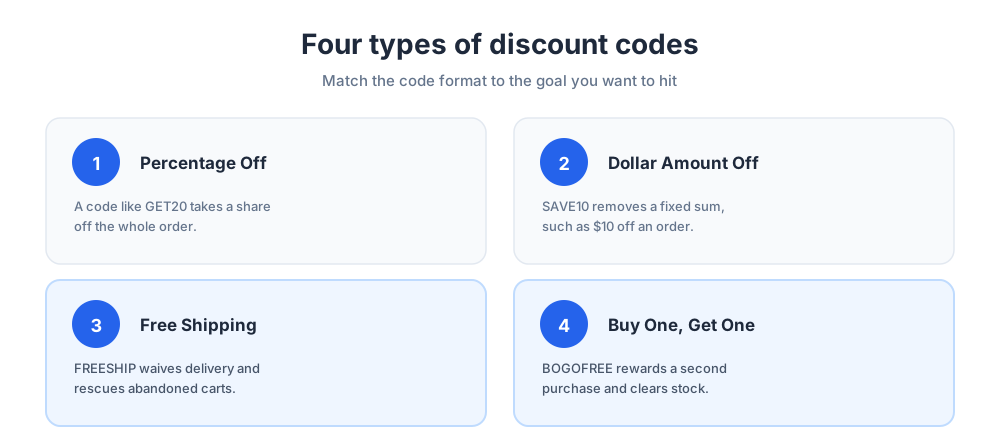
Not every coupon works the same way. Knowing the main coupon types helps you match an offer to a goal, and most coupon ideas in this guide are built from one of the four formats below. Choosing the right format is the first step in any discount strategy.
Percentage off
A percentage discount suits sitewide sales and is the most recognizable format of all. A coupon code like GET20 takes 20% off an order, while a deeper code like SAVE30 can clear seasonal stock. Percentage discounts feel generous on higher-priced items, so they work well for fashion, home goods, and other premium products. Keep the math simple so shoppers instantly understand the deal.
Dollar amount off
An order discount of a fixed amount encourages higher cart totals, such as SAVE10 for $10 off. A flat dollar discount is easy to grasp and pairs naturally with a minimum spend, for example TAKE15 for $15 off orders over $75. Because the value is concrete, this code format is great for first-time buyers who want to know exactly what they save before they reach checkout.
Free shipping
Free shipping is a powerful incentive for online buyers. A code like FREESHIP removes a common reason for abandoned carts and reassures price-sensitive customers. Many stores find a free shipping deal converts better than a small percentage off, because shipping costs feel like a penalty rather than a price.
Buy one, get one
BOGO offers move specific products and clear inventory. A code like BOGOFREE rewards a second purchase, while BOGO50 gives half off the second item for a softer margin hit. It is a strong way to introduce related products a customer might not have considered.
Seasonal and holiday discount code ideas
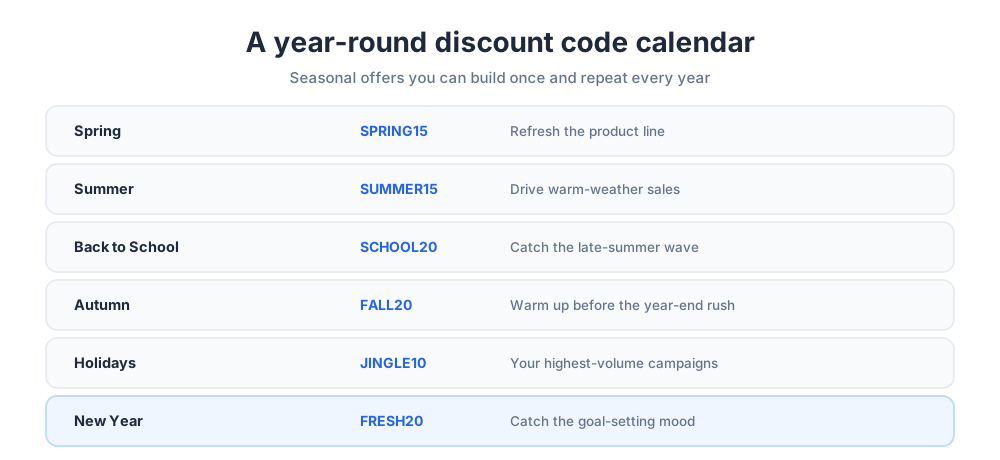
Seasonal coupon campaigns capture customers when they are already in a buying mood. A calendar of seasonal offers gives your brand a steady rhythm of sales and keeps people checking back. The discount code ideas in this section repeat every year, so build them once and reuse them.
Spring refresh codes
Welcome the new season with a code like SPRING15 or BLOOM20. Spring is a natural moment to refresh product lines, and a cheerful code gives the season a theme shoppers remember.
Summer sale codes
Drive warm-weather sales with a code like SUMMER15 or a vacation-themed code like GETAWAY10. Summer offers work well for travel goods, outdoor gear, and apparel.
Back-to-school codes
Late summer brings a reliable spending wave. A code like SCHOOL20 or CLASS15 taps that demand, and it pairs naturally with student discounts that extend the offer through the term.
Autumn and fall codes
Tie a code to the season, like FALL20 for autumn or HARVEST15. Fall offers warm customers up before the year-end rush and let you test discounts before your biggest sales window.
Holiday promotions
Festive codes such as JINGLE10 or HEART20 ride the holiday spirit. Holiday promotions are your highest-volume campaigns of the year, so plan the discount, the messaging, and the email schedule well in advance and give each one a clear end date.
New Year reset codes
Start January with a code like FRESH20 or NEWYOU15. A new-year code catches customers in a goal-setting mood and helps move post-holiday inventory while keeping early-year sales steady.
Event and flash sale codes
A flash sale creates urgency that few other offers match. Short, time-boxed offers push hesitant buyers to act now rather than later, and they give your brand a reason to email shoppers without discounting every week.
Flash sale codes
A flash sale discount like NOW20 that lasts only a few hours drives fast action. Limited time promotions feel exclusive, and the countdown itself becomes part of the marketing.
Weekend-only codes
A code like WEEKEND15 that runs Friday through Sunday captures shoppers with time to browse. Weekend offers are easy to repeat monthly and give your sales calendar a dependable beat.
Event-specific codes
Tie a code to a shopping event, like CYBER30 for Cyber Monday or PRIME20 during a major sale week. Event-specific deals let your store join a moment customers are already watching, so the demand is there before you publish the coupon.
Anniversary and milestone codes
Celebrate your store's birthday with a code like YEAR3 or THANKS25. Milestone offers feel personal, give your brand a warm story to tell, and turn an internal date into a genuine reason for sales promotions.
New customer and first purchase codes
A welcome offer makes a strong first impression. A coupon code like WELCOME15 rewards a first order and turns a visitor into a buyer, lowering the risk of trying a store they do not yet know. For most online stores, the new-customer coupon is the single most reliable entry in any list of discount ideas.
Email sign-up codes
Offer a coupon code like JOIN10 in exchange for an email address. This turns anonymous traffic into subscribers you can reach again, and it makes that welcome code the foundation of a longer marketing relationship.
First-app-order codes
If you sell through a mobile app, a code like APP15 nudges customers to install it, where push notifications and faster checkout lift repeat sales.
Exit-intent codes
When a visitor moves to leave, a well-timed pop-up can present an exit intent offer such as STAY10. This last-chance coupon recovers buyers who would otherwise be lost, and it is one of the highest-converting options you can run.
Loyalty and VIP discount codes
Reward your best customers to deepen customer loyalty. A coupon code like VIP20 gives loyalty program members an exclusive deal and signals that you value them. A coupon aimed at existing buyers is cheaper than acquiring new ones, and it steadily builds the kind of customer loyalty that survives a competitor's sale.
Loyalty tier codes
Give each level of your loyalty program its own coupon code, such as GOLD15 or PLATINUM25. Tiered rewards give customers a reason to spend more and climb, turning the program into an engine for repeat sales.
Birthday codes
A code like BDAY20 sent in a customer's birthday month is a small gesture that delights customers and feels personal. Birthday codes consistently outperform generic offers because the timing is about the buyer, not the store.
Win-back codes
Re-engage lapsed buyers with a code like MISSYOU15. Targeting people who have not made a purchase in ninety days is one of the most profitable campaigns.
Referral and affiliate codes
Turn happy customers into promoters. A customer referral promo code like REFER5 gives both sides a reward, and a partner program extends your reach further. Referral campaigns grow your brand through trusted recommendations, which people believe far more than ads.
Give-and-get referral codes
A two-sided code such as FRIEND10 rewards the existing customer and the new one at the same time. When you give each customer a personal referral code to share, every order can quietly recruit the next buyer.
Creator and partner codes
Partner with creators and other businesses on branded codes like CREATOR15. A creator arrangement pays a commission on tracked sales, so the cost scales with results and your store reaches audiences you could not buy directly.
Partner and bundle codes
Co-marketing with complementary brands works well too. A shared code like PARTNER20 lets two stores promote each other and reach fresh, relevant customers.
Free shipping and free gift offers
Free shipping offers and a free gift both lift average order value. A free shipping discount above a threshold nudges customers to add one more item, and these promotions are easy for any buyer to understand. Shipping and gifts feel like generosity rather than a markdown, so they protect your store from looking permanently discounted.
Threshold free shipping codes
Set a code like SHIP50 that unlocks free delivery on orders over $50. A clear threshold turns shipping into a target customers want to hit, lifting the cart total without cutting product prices.
Gift with purchase codes
Offer a code like GIFT100 that adds a small item to orders above a set amount. A free item works even better when it introduces customers to product recommendations they may buy again at full price later.
Sample and surprise codes
A code like TRYME that drops a free sample into the order lets customers discover new lines at no risk. Surprise gifts are a low-cost way to earn a second visit.
Minimum purchase and cart codes
A minimum purchase discount rewards larger orders, such as SAVE50 for $50 off $200 orders. A cart coupon code applied at checkout can recover a hesitant buyer right before they leave. These ideas focus on the moment of decision, when a customer is weighing whether to complete the purchase.
Spend-more, save-more codes
Tiered codes like SPEND75 and SPEND150 reward bigger baskets in steps. This structure encourages buyers to add complementary products to reach the next tier, lifting order value without a blanket discount.
Abandoned cart codes
When a customer leaves items behind, an automated email with a code like COMEBACK10 brings many of them back. Abandoned-cart codes are some of the highest-return campaigns in ecommerce because the buying intent is already proven.
Bundle discount codes
A code like BUNDLE20 that applies when customers buy a set of related items raises the average order and helps people discover your full range. Bundles turn one purchase into several.
How to create a memorable promo code name
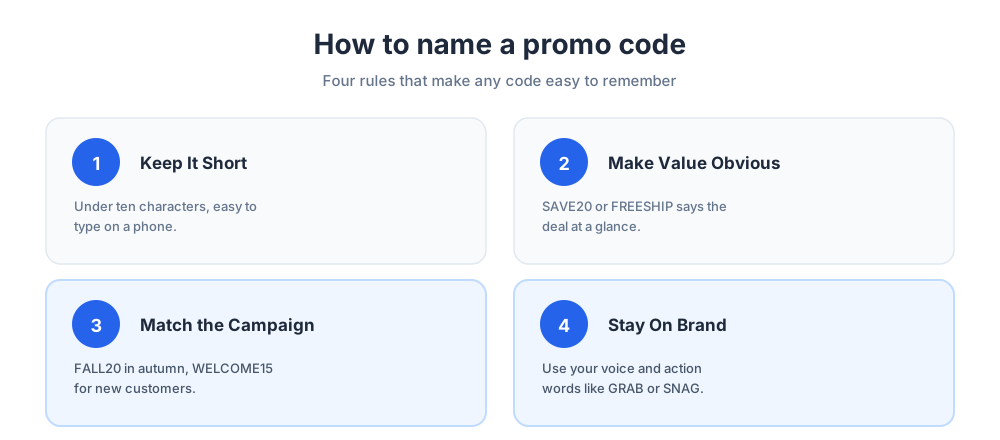
Strong promo code names are short, clear, and on brand. Use action words, keep code names simple, and make them relevant to your product so customers remember and trust them. A vague code feels like spam; a sharp one feels like a real offer.
Follow a few practical rules when you write code names. Keep them under about ten characters so they are easy to type on a phone. Make the value obvious, as in SAVE20 or FREESHIP, so a buyer knows the deal at a glance. Match the code to the campaign, using FALL20 in autumn and WELCOME15 for new customers, which keeps tracking clean. Done well, a coupon name is itself a small piece of marketing that reinforces your brand voice.
Promo code examples for inspiration
A few campaign examples show what works in practice, and each campaign example below maps a coupon code to a goal so you can copy the pattern. Use these as templates and swap in your own brand voice and numbers.
Product launch campaign example
For a new release, a code like NEW20 paired with a launch email creates early momentum. This campaign example works best when the discount runs only through launch week.
Referral campaign example
REFER5 rewards customers who bring friends, and it runs quietly all year. As a recurring offer it costs nothing until a sale happens, which makes it one of the safest formats to keep live.
Quick sale campaign
FLASH for a quick 24 hour promotions burst clears slow stock fast. A short window like this is the simplest format to test.
Where to promote your discount codes
Share codes on social media, in newsletters, and on site banners. The right offer only drives sales if customers actually see it, so treat distribution as half of every campaign. Spreading one coupon across several channels also tells you which audience responds best.
Social media promotions
Posts and stories give a coupon fast reach. Social media is ideal for limited-time deals because buyers can act in a tap, and a strong offer can spread well beyond your followers. For a deeper playbook, see our guide to social media for business, which covers content that converts.
Email and newsletter coupons
An email coupon reaches existing subscribers who already like your brand, while social posts reach new customers. Email marketing remains one of the most cost-effective channels for a promo code, since you own the list and can segment it by buying history.
On-site banners and pop-ups
A banner or pop-up shows your offer to customers who are already browsing. Live chat is another strong channel: a friendly message can deliver a code at the right moment and assist hesitant buyers, a tactic covered in our guide to lead generation through live chat.
Marketplaces and partners
If you sell across several storefronts, promote codes everywhere customers find you. Our roundup of the best places to sell online can help you decide where each offer belongs and reach more customers. Comparing your choices across marketplaces keeps coupon reach wide.
Tips to get the most from discount codes
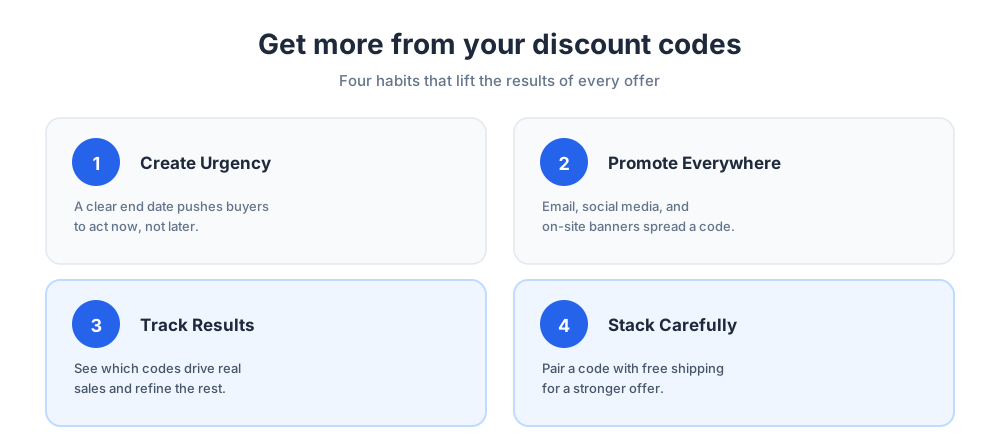
Create urgency, promote widely, track results, and consider stacking a coupon code with free shipping for a stronger offer. A few habits separate a guessed promotion from a real discount strategy, and they make your marketing efforts compound over time.
Set a clear deadline
Every coupon should expire. A firm end date gives customers a reason to buy now and keeps your repeat discounts from feeling like permanent prices.
Segment your offers
Send a different code to each group: a welcome code for new visitors, loyalty rewards for repeat buyers, and a win-back code for lapsed customers. Matching the offer to the right time customers lifts response and protects margin.
Track and learn
Tag every coupon so you can measure redemptions, revenue, and margin. If you run a Shopify store, the built-in Shopify discount engine and analytics make it easy to compare voucher codes side by side. Shopify also lets you set usage limits and minimum spend on each code, and most ecommerce platforms offer similar controls. Connecting Shopify to your email and chat tools through reliable ecommerce integrations keeps that data in one place. Run a small giveaways promotion now and then to learn what your audience values.
Pair coupons with great service
A discount brings customers in, but service keeps them. Fast, helpful support turns a coupon-driven purchase into a loyal customer, so review our guide to customer service alongside your promotion plan and treat both as one strategy.
Common discount code mistakes to avoid
Avoid discounting too often, which trains customers to wait. Set clear expiry dates and track which coupon campaigns actually drive sales. The mistakes below quietly cost online stores money and weak ecommerce sales, so check your plan against them before you launch.
Discounting too deeply
A coupon that wipes out your margin is not a win, so model the numbers before you launch.
Ignoring the data
An untracked coupon teaches you nothing. Without measurement you cannot tell which discount code ideas earned their place, so always tag codes and review the results.
Forgetting the experience
A great deal undermined by a clumsy checkout still loses the sale. Test that every code applies cleanly in the shopping cart, and make sure your store, your offers, and your support all work together. Done right, a smart coupon is not a cost; it is one of the most reliable growth tools an ecommerce store has.
Frequently Asked Questions
What are examples of promo codes?
Promo codes are usually short, memorable words paired with the deal they unlock. Common examples include WELCOME15 for a new customer discount, FREESHIP for free shipping, GET20 for 20% off, SAVE10 for $10 off an order, BOGOFREE for a buy-one-get-one offer, and FALL20 for a seasonal sale. The best codes make the value obvious at a glance, so a shopper instantly understands what they are getting.
What are typical discount codes?
Most discount codes fall into four formats. A percentage-off code like GET20 takes a share off the order. A dollar-amount code like SAVE10 removes a fixed sum. A free shipping code like FREESHIP waives delivery costs. A buy-one-get-one code like BOGOFREE rewards a second item. Stores layer seasonal, loyalty, referral, and flash sale variations on top of these basic types throughout the year.
What are some examples of discounts?
Discounts come in many shapes: a percentage off a full order, a flat dollar amount off, free shipping above a threshold, a free gift with purchase, buy-one-get-one deals, first-order welcome discounts, loyalty rewards for repeat customers, referral discounts that reward both sides, student discounts, and limited-time flash sale offers. Each one suits a different goal, from attracting new shoppers to rewarding your most loyal customers.
What to write in promo code?
Write a promo code that is short, clear, and easy to type on a phone, ideally under about ten characters. Make the value obvious, as in SAVE20 or FREESHIP, and match the code to its campaign, such as FALL20 in autumn or WELCOME15 for new customers. Action words like GRAB or SNAG add energy. A good code name is itself a small piece of marketing that reinforces your brand.
What is a discount code?
A discount code, also called a coupon code or promo code, is a string of letters and numbers a shopper enters at checkout to unlock a deal. It might take a percentage off, remove a dollar amount, waive shipping, or add a free gift. Because every code is tracked, a discount code is also a measurable marketing tool that shows exactly which offers drove sales.
How do I create a discount code?
Most ecommerce platforms make this simple. On Shopify and similar tools, open the discounts section, choose a code type (percentage, fixed amount, free shipping, or buy-one-get-one), set the value, add any conditions like a minimum spend or expiry date, and name the code. Then promote it through email, social media, and on-site banners so customers can actually find and use it.
What are the best discount code ideas for an online store?
Strong discount code ideas include a new-customer welcome code, seasonal and holiday codes, limited-time flash sale codes, loyalty rewards for repeat buyers, referral codes that reward both sides, free shipping above a cart threshold, and cart-recovery codes for hesitant shoppers. The best approach is a calendar of repeatable coupon campaigns, each tied to a clear goal rather than random one-off discounts.
How much should a discount code be?
There is no single right number; it depends on your margins and goal. A welcome discount of 10 to 15% is common and enough to convert a first-time buyer. Deeper cuts suit clearing seasonal stock or a flash sale. Free shipping often converts as well as a small percentage off, with less margin damage. Always confirm the discount still leaves a healthy profit after costs.
When should I send a discount code?
Send a welcome code right after a shopper signs up or first visits, a seasonal code ahead of each shopping season, and a flash sale code when you want a quick spike in sales. Cart-recovery and exit-intent codes work the moment a buyer hesitates. Reserve loyalty and birthday codes for existing customers. Avoid discounting so often that shoppers learn to wait for the next deal.
How do I name a promo code?
Keep promo code names short, clear, and on brand. Make the value obvious, such as SAVE20 or FREESHIP, so a buyer understands the deal instantly. Match the name to the campaign, like SUMMER15 or WELCOME10, which also keeps your tracking clean. Action words such as GRAB, SNAG, or ENJOY add a sense of energy. A memorable name makes a code easier to share and use.
Do discount codes actually increase sales?
Yes, when used with a plan. A well-targeted discount code lowers the perceived risk of a first order, creates urgency, and gives an undecided buyer a reason to act now. Because each code is tracked, you can measure the lift directly. The risk is overuse: discounting constantly trains shoppers to wait, so tie each code to a clear goal and a clear end date.
Where should I promote discount codes?
Promote discount codes everywhere your customers already are. Email marketing reaches existing subscribers, social media reaches new shoppers, and on-site banners catch visitors mid-browse. Pop-ups can deliver a welcome or exit-intent code at the right moment. Influencers and affiliates can share unique codes too. The more visible a code is, the more it gets used, so do not rely on a single channel.
What discount code mistakes should I avoid?
Avoid discounting too often, which trains shoppers to never pay full price. Always set a clear expiry date so a code creates urgency. Do not forget a minimum spend when you need to protect margins. Track which coupon campaigns actually drive sales rather than guessing, and make sure each code still leaves a profit after the discount and shipping costs are covered.
Related articles
More in Ecommerce & platforms →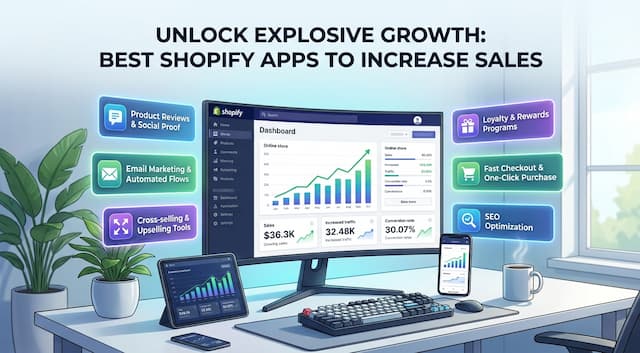 Best Shopify Apps to Increase Sales & Conversions (2026)
12 Shopify apps to increase sales and conversions, sorted by the lever each one pulls: AOV, hesitant visitors, lost carts, trust, repeat buyers.
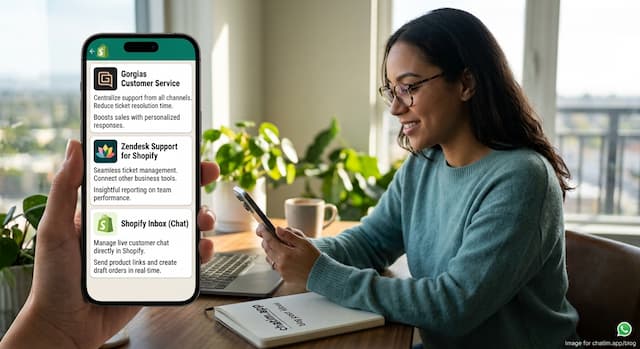 Best Shopify Apps for Customer Service in 2026: 9 Compared
9 customer service apps for Shopify stores compared: the free native option, chat widgets, and ecommerce helpdesks, with verified pricing.
 WooCommerce Chatbot: What It Does and How to Add One (2026)
What a WooCommerce chatbot does for a store: product and order questions answered from your own pages, plus how to add one without plugin bloat.
 Wix Chatbot: How to Add One and What It Can Do (2026)
What a Wix chatbot can do for your site: answer service questions, capture leads politely, help with bookings and store orders, and cover after-hours.