The 15 Best Places to Sell Online in 2026
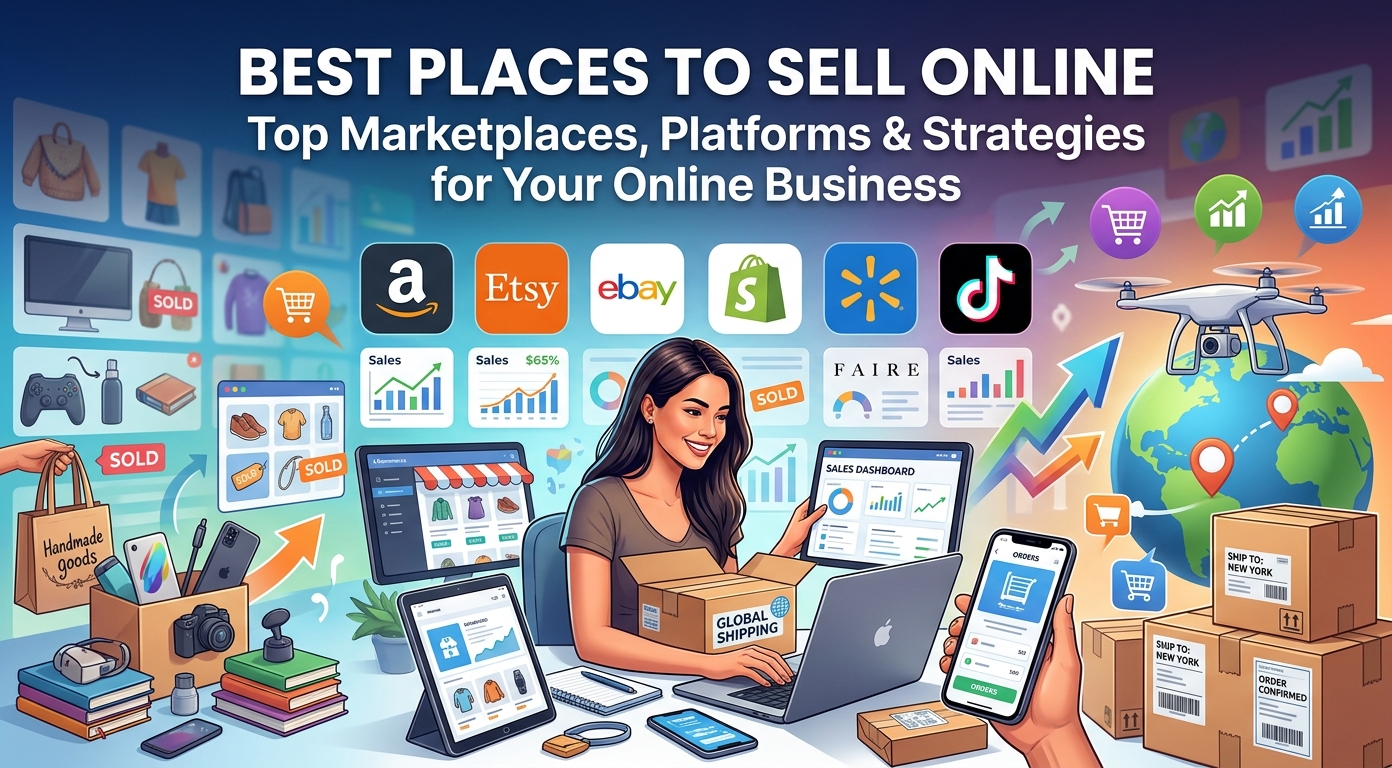
Finding the best places to sell online is the difference between a listing that sits unseen and one that sells in a day. The right platform puts your products in front of the right buyers.
Selling stuff online has never been more accessible. A phone and a few good photos are enough to start making money online from a closet or a craft table.
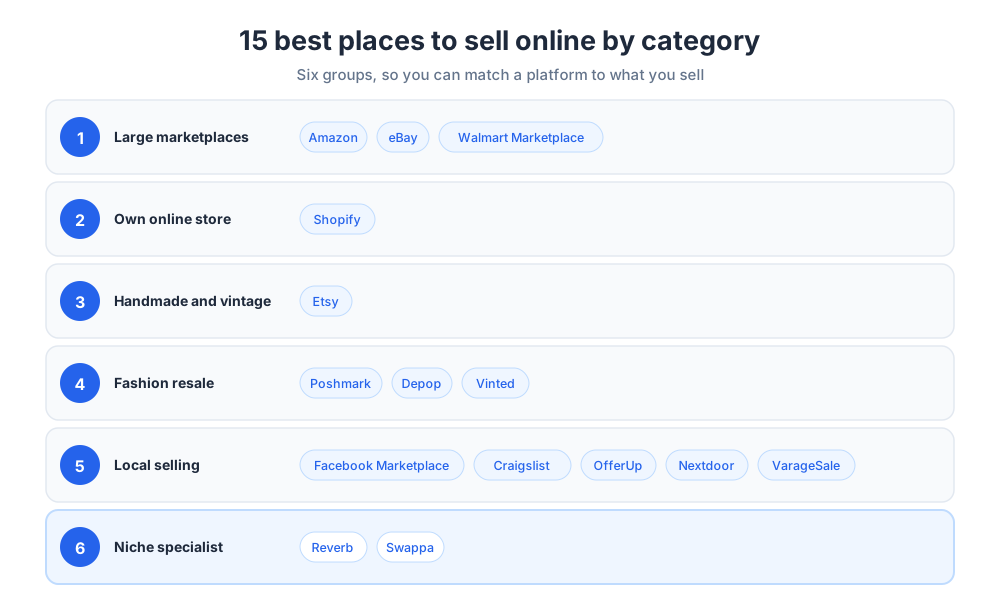
This guide reviews fifteen online platforms, grouped by what they do best. Whether you sell handmade goods, used apparel, electronics, or new stock at scale, there is a marketplace here built for you.
The list covers large retail giants, your own ecommerce site, fashion apps, local selling, and specialist sites. Read on, then jump to the review of the option that matches your goods.
How We Picked the Best Places to Sell Online
Every platform on this list earns its place on real selling value. We weighed audience size, ease of use, costs, and how well each site fits a type of seller.
We also looked at how quickly a beginner can get listed and start earning, since a platform that takes weeks of approval is not equal to one that lets you post in minutes.
No single site is best for everyone. A craft seller and an electronics reseller need different tools, so this guide sorts the options by category.
Think of this as a map, not a leaderboard. The goal is to match you with a platform that fits your goods and the way you like to work.
How to Choose Where to Sell Online
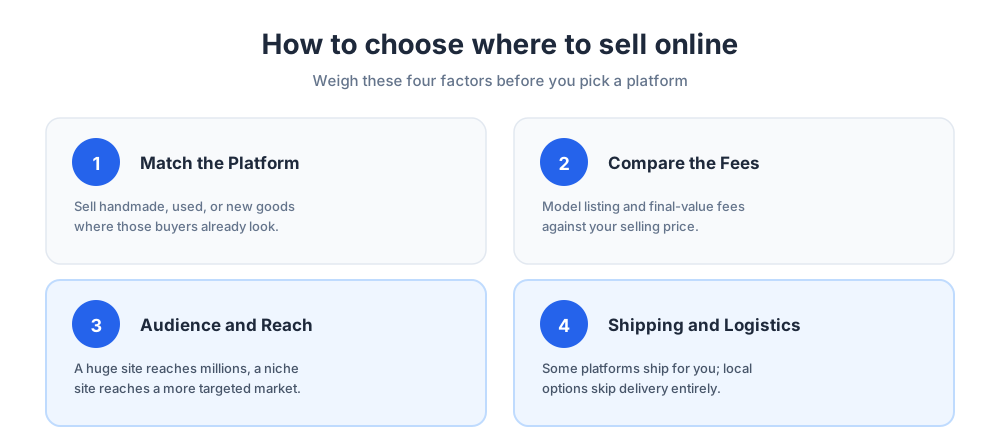
Before you pick a platform, weigh the four factors below. They decide how much you earn and how much work each sale takes.
A few minutes on these questions saves you from picking the wrong channel.
Match the Platform to Your Products
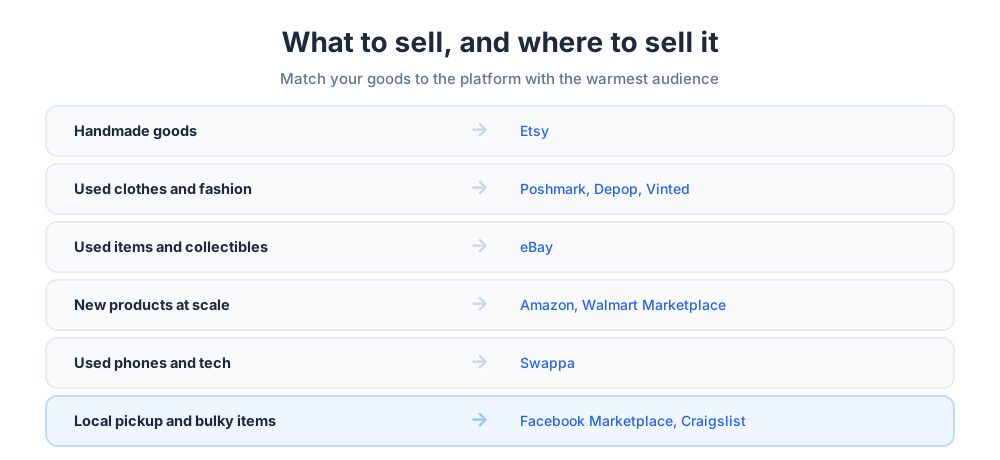
Start with what you sell. Handmade goods belong on a creative site, apparel on a fashion app, and new stock on a large platform with broad reach.
Categories matter. Buyers searching for craft supplies, vintage decor, or electronics each gather in different corners of the web.
The closer a platform matches what you sell, the warmer its audience already is, so you spend less effort convincing people.
Compare Fees and Selling Costs
Fees vary widely. Some sites are free to list, others charge listing fees, a final-value fee, or a monthly subscription. Always model the fees against your selling price before you commit.
Low fees are not always best. A marketplace with higher fees but far more buyers can still leave you more profit per sale than a cheaper, quieter site.
Take the purchase price a buyer pays, subtract the platform's fees and any postage, and the figure left is your real profit.
Consider Your Audience and Reach
Reach matters. A huge platform exposes your listings to millions of shoppers, while a niche site reaches a more targeted market.
Think about where your buyers already shop, then meet them there. A targeted audience often converts better than a vast but distracted one.
Think About Shipping and Logistics
Shipping shapes the experience. Some platforms handle fulfillment for you, others leave packing and postage to you, and local options skip delivery entirely.
Factor shipping time and cost into your pricing so a sale stays profitable. Buyers also judge you on how fast a parcel arrives.
If you carry steady inventory, plan storage too. Keeping stock organized stops you from selling something you cannot find.
The Best Places to Sell Online Compared
The table below summarizes the fifteen platforms in this guide. Use it as a shortlist, then read the full review of any option that fits your goods.
Scan the categories first. The right channel for selling stuff online depends far more on what you stock than on which brand name is biggest.
| Platform | Category | Best for | Typical cost |
|---|---|---|---|
| Amazon | Large retail platform | New goods at scale | Referral cut plus optional plan |
| eBay | Large retail platform | Used items and collectibles | Listing and final-value charges |
| Walmart Marketplace | Large retail platform | Established merchants | Referral cut, no monthly charge |
| Shopify | Own online store | Building a brand | Monthly subscription |
| Etsy | Handmade and vintage | Original craft goods | Listing and transaction charges |
| Poshmark | Fashion resale | Apparel and accessories | Flat or percentage charge |
| Depop | Fashion resale | Vintage and streetwear | Percentage of the sale |
| Vinted | Fashion resale | Everyday secondhand apparel | No cost to the seller |
| Facebook Marketplace | Local selling | Local pickup and delivery | Free to list |
| Craigslist | Local selling | Furniture and bulky goods | Mostly free |
| OfferUp | Local selling | Electronics and household goods | Free to list locally |
| Nextdoor | Local selling | Neighborhood sales | Free to list |
| VarageSale | Local selling | Community selling | Free to list |
| Reverb | Niche specialist site | Music gear | Commission per sale |
| Swappa | Niche specialist site | Used tech and phones | Low buyer-side charge |
Large Online Marketplaces
Large online marketplaces offer the widest reach. They bring millions of ready buyers, but you compete with many other sellers and pay for that exposure.
These are the giant retailers of the web, names like Amazon and eBay. Listing here means borrowing a vast, trusted audience instead of building one from scratch.
Amazon
Amazon is the largest online marketplace in the world. For new products, electronics, and books, nothing matches its audience or its shopper trust.
Amazon rewards a tidy catalog and steady stock. Many people who sell on Amazon treat it as a real business, with forecasting and review management built into the routine.
Amazon charges referral fees per sale, and busy sellers add a professional selling plan for lower per-item fees. Fulfillment by Amazon can handle storage and shipping for you.
Amazon suits anyone who wants scale. If you plan to grow products into a brand, this online marketplace is a natural launchpad for a serious business.
eBay
eBay is the classic online auction site, and it still excels at used items, collectibles, and hard-to-find goods. You can run a timed sale or list at a fixed price.
Few channels handle oddball goods as well as eBay. Spare parts and rare collectibles all find buyers on eBay, and completed listings show what similar items sold for.
eBay charges listing and final-value fees, but its global audience is huge. It is one of the best places to sell almost anything secondhand, and a quick way to turn clutter into cash.
Walmart Marketplace
Walmart Marketplace is a fast-growing option for established sellers in the US. It carries no monthly charge and applies a referral fee only when an item sells.
The Walmart audience skews toward everyday value, so practical, well-priced goods do well on this marketplace. It pairs nicely with other channels.
Walmart approves applicants before they join, so it suits anyone with a track record. New businesses may want to build a sales history elsewhere.
Build Your Own Online Store
A shared marketplace is not the only path. Building your own online store gives you full control of your brand, your customer data, and your margins.
With your own store, no rival listings sit beside yours. The visitors are yours to keep.
Shopify
Shopify is the most popular way to build an ecommerce website of your own. Instead of renting space on a busy site, you get a dedicated ecommerce store you fully control.
Shopify handles the technical heavy lifting: hosting, checkout, payment options such as PayPal, and built-in tools for managing inventory and orders. You focus on products and marketing.
A Shopify store charges a monthly subscription rather than per-sale fees. The trade-off is traffic: you drive your own visitors instead of borrowing a marketplace audience. To plan that storefront, see our guide to website builders.
Shopify suits any ecommerce business that wants to grow a brand rather than a single listing. It is the strongest pick for online businesses with a long-term plan.
An owned store also makes the ecommerce numbers clearer. Many people run a Shopify ecommerce site alongside other marketplaces, using it as a home base for repeat buyers.
Best Places to Sell Handmade and Vintage
Creative work needs a platform built for original goods. The site below reaches buyers who specifically want handmade and vintage items.
A general channel buries a handmade candle next to mass-produced ones. A creative platform puts it in front of shoppers who came looking for it.
Etsy
Etsy is the leading platform for artisan goods, vintage finds, and craft supplies. Its audience actively looks for handmade jewelry, art, and decor, which makes Etsy ideal for makers.
Etsy works well for small batches and made-to-order products. You can list a single piece online, test demand, and scale up once a design proves popular.
Etsy charges listing and transaction costs per sale. For creators and small businesses selling original products, that audience match is worth the price.
Creators on Etsy often pair the shop with social media, driving fans to listings. With fresh designs and clear photos, that turns a hobby into a profitable little business.
Best Places to Sell Clothes and Fashion
Fashion resale has its own apps. These apps are built for selling clothes, shoes, and accessories to buyers hunting for style.
Reselling fashion is one of the easiest ways to start an online business. Most people already own apparel they no longer wear, so there is no stock to buy and nothing to lose.
Poshmark
Poshmark is a social app for fashion and accessories, with shares, follows, and parties that surface your listings.
Poshmark suits closets full of mid-range and designer labels. The community side rewards people who engage, so active accounts move garments faster.
Poshmark uses a simple cost structure, so you know the platform's cut up front. It is a strong choice for everyday and designer apparel of all kinds.
Depop
Depop is a fashion app popular with younger buyers. It is the place for vintage, streetwear, and one-of-a-kind pieces with a strong visual feel.
Styling matters on Depop. Bright, well-shot photos of garments do most of the selling, and a consistent look helps shoppers follow your listings.
Depop charges a percentage of the sale. For anyone selling on-trend fashion, its audience is hard to beat.
Vinted
Vinted is a fast-growing app for everyday secondhand clothes. Its standout feature is simple: there are no costs charged to you, since the buyer covers the platform's cut.
Vinted-style selling is hugely popular with UK sellers, where the app has become a default place to pass on apparel.
Vinted is ideal for clearing a wardrobe without losing money to a commission. What you list is close to what you keep.
Best Places to Sell Locally
Local selling skips shipping entirely. These local marketplaces connect you with buyers nearby for quick, in-person sales and easy cash.
No postage, no packing, no waiting on a courier. You meet a buyer and the deal is done the same day.
Facebook Marketplace
Facebook Marketplace is the biggest place to sell locally. It is free to list, reaches a massive Facebook audience, and supports instant chat through Messenger.
Because Facebook is already on most phones, listing here takes seconds. Buyers can see your profile, which adds a layer of trust to the deal.
Facebook Marketplace handles both local pickup and shipped orders, which makes it flexible for almost any product. For casual selling, it is hard to beat.
Craigslist
Craigslist is the original online classifieds site. It is plain but effective, listing is mostly free, and it has a big online audience.
Craigslist shines for furniture, appliances, and other bulky products that are easier to sell to a local buyer.
OfferUp
OfferUp is a local selling app focused on quick, mobile sales. It is popular for electronics, furniture, and household products.
OfferUp is free to list locally and includes in-app chat so buyers and sellers can agree on a deal fast.
Nextdoor
Nextdoor is a neighborhood-based platform. Listing items for sale is free, and every buyer is a verified neighbor.
Nextdoor suits anyone who prefers a small, trusted local market over a national audience. Selling close to home keeps pickups simple.
VarageSale
This community platform is built around local groups. It works like a virtual garage sale, with member profiles that build trust between neighbors.
It is a good free option for casual selling and clearing out household goods you no longer need.
Niche Marketplaces Worth Knowing
Sometimes a specialist site beats a giant like Amazon or eBay. These niche markets reach buyers who want one specific kind of product, so a smaller market can still be a strong one.
Reverb
Reverb is the leading platform for music gear. Guitars, pedals, amps, and studio equipment all find dedicated buyers here.
Reverb charges a commission per sale, but its focused audience means faster sales at fair prices. Players trust Reverb the way collectors trust the right auction sites.
Swappa
Swappa is a trusted platform for used tech, including phones, laptops, and tablets. Listings are verified, which keeps quality high and scams rare.
Swappa keeps charges low and puts most of the cost on the buyer, so you keep more of the total sale price. For clean, working devices, it is reliable.
Free Places to Sell Online
If you want to sell with no upfront cost, several apps are free to list on. Facebook Marketplace, OfferUp, Nextdoor, and local community groups all let you post items for free.
Free listings are perfect for clearing unwanted items and earning extra cash. There is no fee to recover, so the money from even a small sale is pure profit.
For a real business, weigh free listings against the larger audience a paid platform brings. A modest cut on a busy site often beats a free listing nobody sees.
Many people mix both. They clear clutter on free local apps and run their core goods on a larger channel.
Tips for Selling More Online
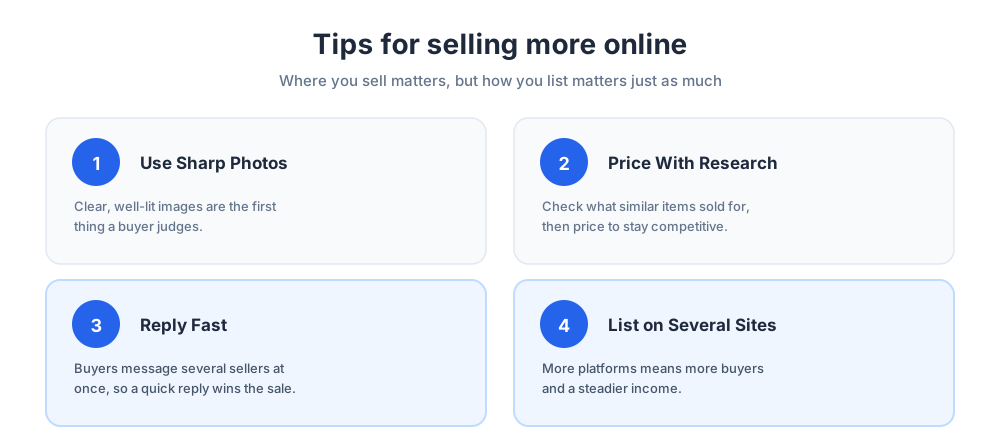
Where you sell matters, but how you list matters just as much. Clear photos, honest descriptions, and a fair price are the foundation of every sale.
Photos do the heavy lifting. Natural light and several angles help a product sell itself before a buyer reads a word.
Price with research. Check what similar items sold for, then set a number that is competitive but still leaves you a healthy profit after every cost is paid.
Treat money carefully. Track what each sale earns, and simple budgeting apps make it easy to see whether selling is paying off.
Respond fast. Buyers message several people at once, and a quick reply often wins the sale.
Customer Service When Selling Online
Good customer service turns one sale into repeat business. Buyers expect fast, clear answers before and after they buy.
Reply to questions quickly, describe items accurately, and handle returns gracefully. Strong service builds the reviews that future sales depend on, a theme covered in our guide to customer service.
If you run your own store, live chat helps you answer buyers in real time, a tactic explained in our guide to lead generation through live chat.
Service is also a quiet sales tool. A buyer who feels looked after comes back and tells friends, which grows an online business for free.
Common Mistakes When Selling Online
A few mistakes cost money again and again. The first is ignoring costs and setting a price that leaves no profit once the platform takes its cut.
The second is poor listings: blurry photos and thin descriptions push buyers to a competitor. The third is slow replies, which lose impatient buyers.
A fourth trap is mismatched payment habits. Always use the platform's built-in checkout or a trusted service like PayPal rather than risky off-app transfers.
The last mistake is using only one channel. Listing across several sites reaches more buyers and steadies your income across the year.
The Future of Selling Online
Selling online keeps getting easier. Today's platforms offer built-in shipping, AI listing tools, and resale features that make starting simple.
Payments and finance tools are improving too. Faster payouts and clearer reporting make the money side of ecommerce simpler to manage for any business.
Expect more crossover between buying and selling. A used phone might be an outright sale on one app and a trade-in exchange on another.
The smartest sellers stay flexible. They test new platforms, watch their costs, and follow buyers wherever they shop, so the best places to sell online keep working year after year.
Frequently Asked Questions
What is the best website to sell stuff?
There is no single best website, only the best fit for what you sell. For new products at scale, Amazon has the widest reach; for used items and collectibles, eBay leads; for handmade and vintage goods, Etsy is the top choice; and for quick local sales, Facebook Marketplace is hard to beat. Match the platform to your products, then weigh the fees and the audience before you list.
Can I make $1000 a month on EBay?
Yes, many sellers earn that much or more on eBay, but it is not guaranteed. Your income depends on what you sell, how much you list, your pricing, and demand for your items. Sellers who post consistently, price with research, ship quickly, and keep strong feedback tend to do best. Treat eBay like a small business, reinvest in stock, and a few hundred to a few thousand dollars a month is realistic over time.
What's better than FB marketplace?
It depends on your goal. For shipped national sales rather than local pickup, eBay and Poshmark reach more buyers. For handmade goods, Etsy is better; for used tech, Swappa; and for building a real brand, your own Shopify store gives you control Facebook Marketplace cannot. Facebook Marketplace is still excellent for fast, free local selling, so many sellers use it alongside other platforms rather than instead of them.
What is the most profitable to sell online?
The most profitable items combine steady demand with healthy margins, such as handmade and artisan goods, niche collectibles, refurbished electronics, and private-label products. Profit comes less from the category itself and more from buying or making at a low cost, choosing a platform with fair fees, and pricing so the total sale price still leaves a margin after the platform's cut and shipping.
What are the best places to sell online?
The best places to sell online include large marketplaces like Amazon and eBay, your own store on Shopify, Etsy for handmade and vintage goods, fashion apps like Poshmark, Depop, and Vinted, local platforms such as Facebook Marketplace, Craigslist, OfferUp, Nextdoor, and VarageSale, and niche sites like Reverb for music gear and Swappa for used tech. The right choice depends on your products, your audience, and the fees you are willing to pay.
Where can I sell online for free?
Several platforms are free to list on, including Facebook Marketplace, Craigslist, OfferUp, Nextdoor, and VarageSale. These are ideal for clearing unwanted items and earning extra cash with no upfront cost. They focus on local selling, so they skip shipping, but for a real business the larger audience of a paid marketplace often outweighs the listing fees.
How do I choose where to sell online?
Choose where to sell online by weighing four things: how well the platform matches your products, the fees and selling costs, the size and type of the audience, and how shipping is handled. Handmade goods belong on a creative site, used clothes on a fashion app, and new stock on a large marketplace. Model the fees against your selling price so each sale stays profitable.
What is the best place to sell handmade items?
Etsy is the leading marketplace for handmade and vintage goods, because its audience actively searches for original, artisan products. Sellers who want more control can also sell handmade items through their own Shopify store, and many makers list on both: Etsy for discovery and a personal store for repeat customers and higher margins.
What is the best place to sell used clothes?
For used clothes, the leading apps are Poshmark, Depop, and Vinted. Poshmark suits everyday and designer apparel with a social selling style, Depop is popular for vintage and streetwear with younger buyers, and Vinted stands out because it charges sellers no fees. eBay also works well for branded or higher-value clothing that benefits from a wider audience.
How much does it cost to sell online?
Costs vary widely. Local platforms like Facebook Marketplace and Craigslist are free to list on. Marketplaces such as eBay and Etsy charge listing and final-value fees, Amazon adds referral fees plus an optional professional selling plan, and Shopify charges a monthly subscription instead of per-sale fees. Always confirm current figures on each platform's own pricing page and subtract fees and shipping from the sale price to see your real profit.
Should I sell on a marketplace or build my own store?
A marketplace gives you instant access to a huge audience but takes a cut of every sale and owns the customer relationship. Your own ecommerce store, built on a platform like Shopify, costs a subscription and requires you to drive your own traffic, but it gives you full control of your brand, data, and margins. Many sellers start on a marketplace for reach, then add their own store as the business grows.
What should I sell online to make money?
Good options include unwanted items already in your home, handmade or artisan goods, refurbished electronics, used clothes and jewelry, and private-label products you source in bulk. Start with what you have to learn how a platform works, then move toward a repeatable category with reliable supply and steady demand if you want to turn selling into a real business.
How can I sell more on online marketplaces?
Use sharp, well-lit photos, write honest and detailed descriptions, and price competitively after checking what similar items sold for. Reply to buyer questions fast, since shoppers message several sellers at once. Strong customer service builds the reviews and reputation future sales depend on, and listing across more than one platform steadies your income.
Related articles
More in Ecommerce & platforms →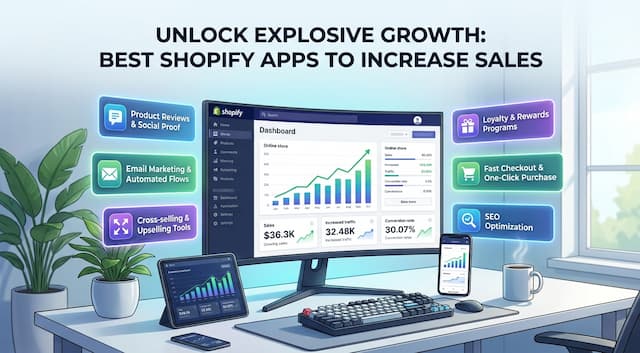 Best Shopify Apps to Increase Sales & Conversions (2026)
12 Shopify apps to increase sales and conversions, sorted by the lever each one pulls: AOV, hesitant visitors, lost carts, trust, repeat buyers.
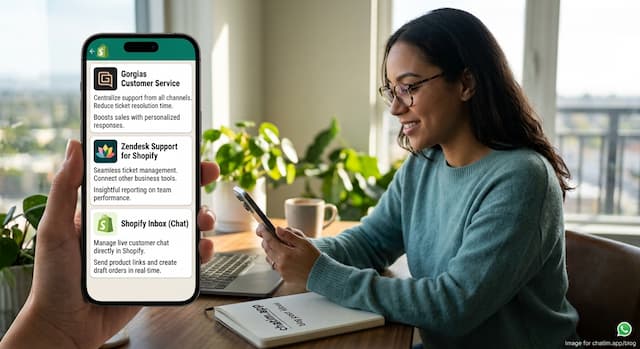 Best Shopify Apps for Customer Service in 2026: 9 Compared
9 customer service apps for Shopify stores compared: the free native option, chat widgets, and ecommerce helpdesks, with verified pricing.
 WooCommerce Chatbot: What It Does and How to Add One (2026)
What a WooCommerce chatbot does for a store: product and order questions answered from your own pages, plus how to add one without plugin bloat.
 Wix Chatbot: How to Add One and What It Can Do (2026)
What a Wix chatbot can do for your site: answer service questions, capture leads politely, help with bookings and store orders, and cover after-hours.