How to Follow Up With Potential Clients (+ Templates)
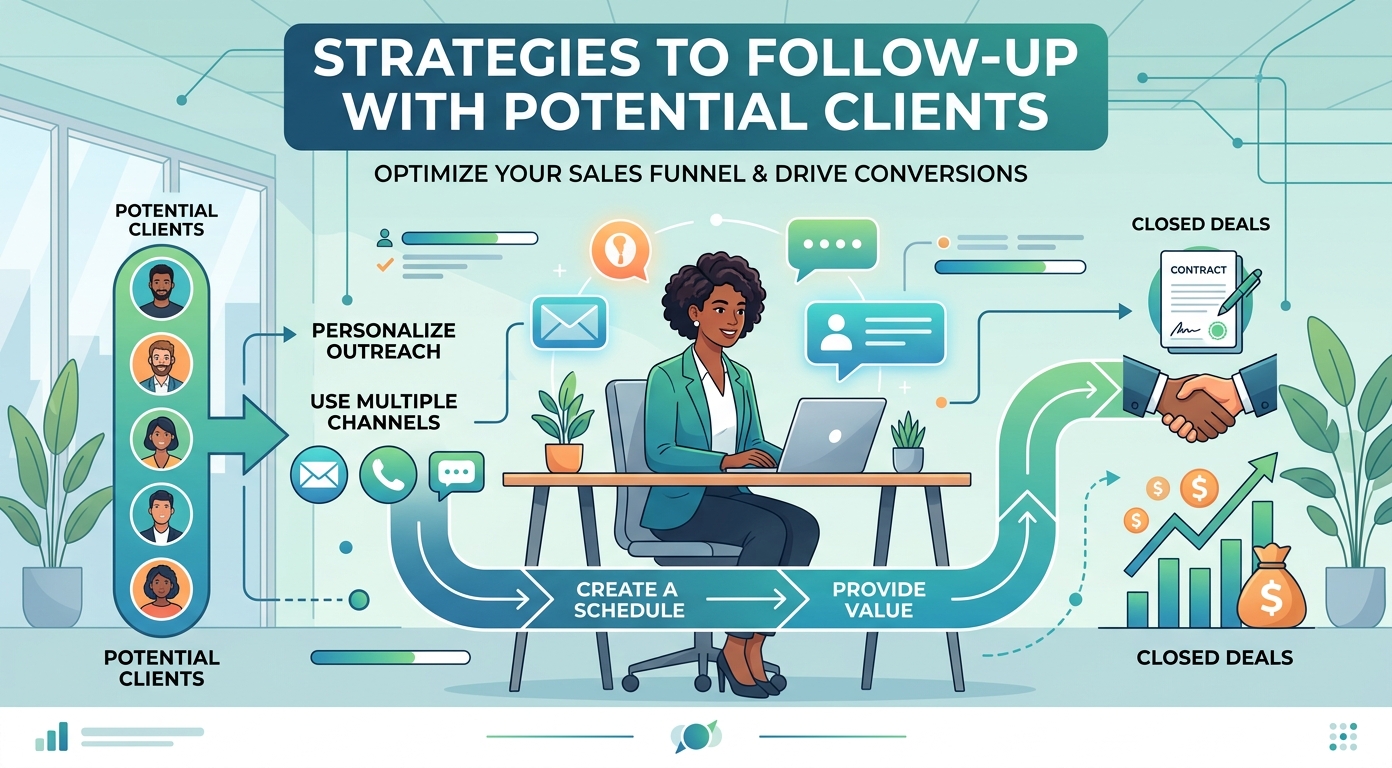
Most deals are not lost to a bad pitch. They are lost to silence after it. Knowing how to follow up with potential clients is what turns a promising first meeting into a signed contract, and it is a skill any business can learn and systemize.
This guide covers the full follow-up process from start to close: a follow-up schedule that works, six sales follow-up email templates you can copy, the subject lines that get opened, and the timing that earns a reply. The goal is a follow-up system, not the occasional message you send when you remember.
A good follow-up is not pestering. Done well, every follow-up offers value, respects the time of a busy potential client, and moves the deal one clear step forward. That is the difference this article will help you make.
Why following up with potential clients matters
A single pitch rarely closes a deal. Most potential clients need several touches before they buy, yet many sales reps stop after one or two messages. The business that follows up consistently simply wins more of the same leads.
Following up shows reliability. When you follow up on time and with something useful, a potential client sees a business that is organized and easy to work with, and that impression builds the trust a buying decision rests on.
It is also pure math. If competitors give up after the first email, and you follow up four or five times with something useful, you reach prospects they have abandoned. A steady follow-up habit is one of the cheapest ways for a business to grow sales without spending more on leads, and one of the highest-return sales actions a small team can take.
There is a mindset shift too. A follow-up is not chasing, it is service. Each message is a chance to answer a question, remove a doubt, or share something useful, and a prospect who feels helped is far more likely to choose your business in the end. Most sales are simply won by the team that stays in touch.
Every business loses deals to silence, not to a bad pitch. The fix is a habit: more contact, better timing, and one clear action in every message. A prospect rarely says no outright; they get busy, and a steady sales follow-up routine is what brings the business back into view at the right time.
How to follow up with potential clients: the strategy
Before the email templates, get the strategy right. The five habits below turn scattered messages into a follow-up system that works across every deal, every channel, and every member of a sales team.
Read them as a set. A great template sent at the wrong time, or with no personalization, still fails, so the strategy and the templates work together.
Set up a structured follow-up process
A structured process makes sure no lead falls through the cracks. Decide the key follow-up milestones first: after a first meeting, after a sales call, after you send a proposal, and after a stretch of no response.
Write the steps down so every potential client gets the same consistent treatment. A repeatable follow-up process is what lets a small team chase many deals at once without losing track of any of them.
Map each milestone to an owner, a channel, and a timeframe. When the process is written down, following up stops depending on memory and becomes a reliable part of how the business runs.
Personalize every follow-up message
A generic message feels like a mass send, and potential clients ignore it. Personalize each follow-up by referring to something specific from your last conversation with them.
Mention the problem the prospect described, the goal they named, or a detail about their business. That small effort signals you were genuinely listening, and it makes the follow-up feel like a conversation rather than a script.
Personalization does not mean rewriting everything. Start from a template, then change the opening line and one or two details so the message clearly belongs to that one potential client.
Use multiple channels: email, call, and LinkedIn
Potential clients do not all respond on the same channel. Mix email, a phone call, and LinkedIn so your follow-up reaches each client where they actually pay attention.
Email is the workhorse for templates and resources. A phone conversation adds a personal touch for a high-stakes deal. A social channel keeps you visible between messages without crowding their email.
Matching the channel to the prospect also shows respect. Some buyers prefer a quick conversation, others want everything in writing, and noticing that preference makes every later follow-up land better.
A few quick tips make multi-channel follow-up land. Keep a record of every contact, vary the time of day and the ways you reach out, and use social media to stay visible between messages. Good social media activity, spaced in different ways across the week, gives the prospect time to respond and keeps the follow-up steady rather than stressful. Small tips like these compound over time.
Get the timing right
Timing decides whether a follow-up feels helpful or pushy. Make the first follow-up within 24 hours of a conversation, while it is still fresh in the client's mind.
After that, space the next contact a few days to a week apart, then gradually stretch the gap as the deal cools. Following up on time, every time, is what keeps a deal moving without annoying a potential client.
There is no perfect hour, but mid-morning on a Tuesday or Thursday tends to beat a Friday afternoon. Test your own timing, track the replies, and let the data set your schedule.
Give every follow-up a clear purpose
Never write a follow-up that only says "just checking in". Every message should give the prospect something useful: a relevant case study, an answer to a question, a useful blog post, or a clear next action that moves the deal forward.
When each follow-up gives the client something genuinely useful, the business stays welcome in their email. That habit is what separates a helpful follow-up from a nuisance that gets muted, and over time it builds real trust.
A useful message also gives you a natural reason to reach out again. Instead of an awkward "any update?", you can share a new resource, which makes the next follow-up easy to write and easy to read.
A follow-up schedule that works
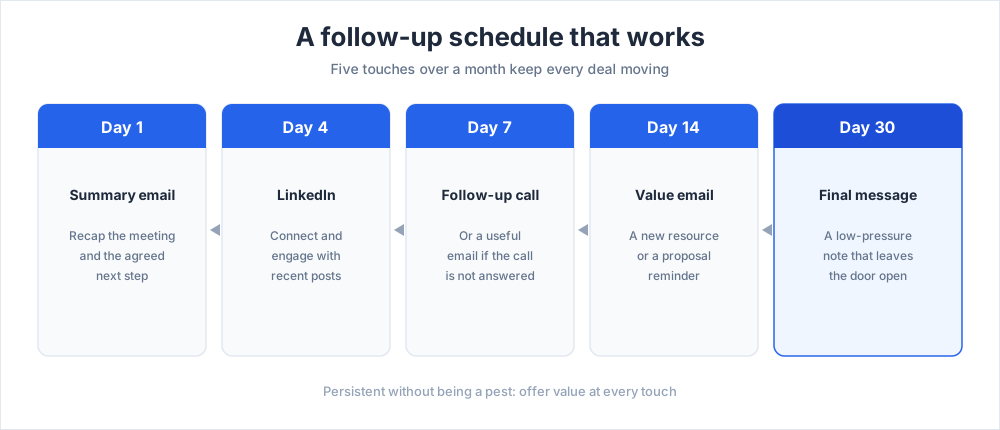
A written follow-up schedule turns good intentions into action. The simple cadence below works for most B2B deals and keeps every potential client on a consistent timeline from first contact onward.
Think of it as a default. You can shorten it for a hot lead or stretch it for a slow one, but having a schedule means you never wonder whether it is time to follow up again.
- Day 1: Send a follow-up email that summarizes the meeting and the agreed next step.
- Day 4: Connect on LinkedIn and engage genuinely with the client's recent posts.
- Day 7: Make a follow-up call, or send a useful email if the call is not answered.
- Day 14: Send a follow-up email with a new resource, a case study, or a proposal reminder.
- Day 30: Send a final, low-pressure message that leaves the door open for later.
Five touches over a month is enough to be persistent without being a pest. Most deals that close need several of these steps, so resist the urge to give up at day 7.
Sales follow-up email templates
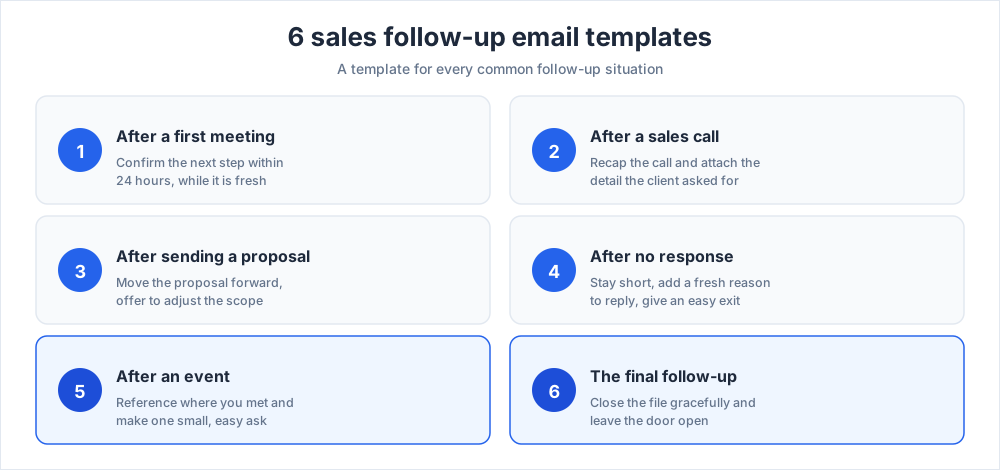
These six sales follow-up emails cover the situations you face most often. Treat them as free email templates to start from, then personalize each one before it goes out. Swap the bracketed details for the client's own, and adjust the tone to match your business.
Each template is short on purpose. A follow-up email that a busy buyer can read in fifteen seconds gets answered far more often than a long one.
Follow-up email after a first meeting
Send this within 24 hours, while the meeting is fresh. It confirms the next step and keeps the momentum from the conversation.
Template: "Hi [name], thank you for your time today. I enjoyed learning about [their goal], and I am confident we can help. As agreed, I will [next step] by [date]. In the meantime, here is a short case study on a similar project. Let me know if any questions come up."
It works because it is specific, restates a clear next step, and gives the client something useful without asking for anything in return.
Follow-up email after a sales call
After a sales call, recap what you discussed and attach the detail the client asked for. This sales email keeps a longer conversation concrete and easy to act on.
Template: "Hi [name], it was great to speak today. Based on our call, I have attached more detail on [topic discussed]. The key point: [one-line benefit]. What is the best next step on your side, and who else should be involved?"
The closing question matters. Asking who else to involve quietly moves the deal toward the people who can actually approve it.
Follow-up email after sending a proposal
A proposal often stalls unread for days. This follow-up gently moves the proposal forward without pressure, and gives the client an easy way to respond.
Template: "Hi [name], I wanted to make sure the proposal I sent on [date] reached you and answered your questions. I am happy to walk through it on a quick call, or adjust the scope if anything does not fit. When would suit you this week?"
Offering to change the proposal, rather than just asking for a yes, makes it safe for the client to reply even when they have doubts.
Follow-up email after no response
When a potential client goes quiet, keep this short and add a fresh reason to reply. Do not guilt-trip the client about the silence.
Template: "Hi [name], I know things get busy. I came across [relevant resource] and thought of your goal to [their goal]. Is moving forward still on your radar? If the timing is off, just let me know and I will check back later."
Giving the client an easy exit ("if the timing is off") often earns an honest reply, which is far more useful than continued silence.
Follow-up email after an event or conference
A follow-up after an event or conference works best while the conversation is still memorable. Reference exactly where you met so the client places you straight away.
Template: "Hi [name], it was a pleasure meeting you at [event] last week. You mentioned [their challenge], and I would love to share how we have helped similar teams. Are you open to a 15-minute call next week?"
The single small ask, a 15-minute call, is easy to say yes to, which is exactly what an early follow-up needs.
The final follow-up email
If several follow-ups get no reply, send one clear closing message. This kind of email often earns a response on its own, because it removes the pressure.
Template: "Hi [name], I have reached out a few times and do not want to crowd your inbox. I will close the file for now, but the offer stands. If [their goal] becomes a priority again, just reply and we can pick up where we left off."
It ends the sequence with grace. You keep the relationship intact, and a surprising number of these messages bring a deal back to life.
Writing follow-up emails that get replies
A template is only a starting point. The details below decide whether a follow-up email actually gets opened and answered, or sits unread until it is forgotten.
Subject lines that get opened
The subject line decides whether your email is read at all. Keep it short, specific, and free of hype, because a clear subject line beats a clever one every time.
Strong subject line examples: "Next steps on [project]", "Quick question after our call", and "[Their company] plus [your company]: the case study". Each one tells the client exactly what is inside.
Avoid anything that looks like spam, such as all-caps or false urgency. A follow-up email that survives a quick glance does so by looking like a useful note from a real person.
Keep it short with one clear next step
Busy buyers skim. Keep every follow-up email to a few short lines, and end with exactly one clear next step.
One ask per email gets more replies than three. Tell the client precisely what to do next, whether that is booking a call, replying with a date, or reviewing the proposal you sent.
Short does not mean cold. A warm first line and a clear close can both fit in five sentences, and that is the length a follow-up email should aim for.
Follow up across more than email
Email carries most follow-ups, but the deals that close often involve other channels too. A few well-placed touches outside the inbox keep you visible without adding noise.
LinkedIn and Twitter follow-ups
LinkedIn is the strongest social channel for a B2B follow-up. Connect with the potential client, then engage genuinely with their posts so your name stays familiar between emails.
A short, friendly LinkedIn message can also restart a stalled email thread without feeling like another sales push. Twitter works the same way for a client who is active there, as a light, low-pressure touch.
Follow-up calls
A follow-up call cuts through a crowded week for a high-stakes deal. Keep it short: confirm you are calling about the agreed next step, and have one clear question ready to ask.
If it goes to voicemail, leave a brief message and send a follow-up email the same day so the client has both. A call paired with a short email beats either one used alone.
Automate and track your follow-ups
Once you follow up with many leads at once, memory is not enough. A system keeps every potential client on schedule and shows you clearly what is working.
Use a CRM and follow-up tools
A CRM is the backbone of any follow-up process. It stores every conversation, reminds you when the next contact is due, and lets you automate follow-up reminders so nothing slips through.
Many tools can also send a follow-up email automatically after a set delay. Automation handles the timing and the reminders; you still personalize the message before it goes out, so it never feels robotic.
The payoff is consistency. With the right tools, a small sales team can follow up with hundreds of leads on a reliable schedule, which is impossible to do by memory alone.
Track response and conversion
Measure your follow-up so you can improve it. Track the response rate, the conversion rate from potential client to customer, and which templates and subject lines earn the most replies.
If a follow-up email gets no opens, test a new subject line. If clients reply but do not convert, the offer or the timing is the problem, not the message. Let the numbers guide the next change you make.
Treat follow-up as a core sales skill, not an afterthought. The reps who hit their numbers are rarely the best at the first pitch; they are the ones who take action consistently, time their outreach, and keep marketing themselves to a prospect long after the meeting. Every follow-up is one more action toward the close.
Common follow-up mistakes to avoid
A few mistakes quietly kill otherwise healthy deals. Watch for these patterns in your own follow-up:
- Giving up after one or two messages, when most clients need several touches.
- Sending "just checking in" with no value and no clear next step.
- Following up too fast and too often, which reads as desperate.
- Using one generic template for every client with no real personalization.
- Never tracking results, so the same weak follow-up repeats forever.
Avoiding these is mostly about discipline. Follow a schedule, offer value, and treat each potential client as a person rather than a line on a list, and your follow-up will already beat most of the competition.
One more habit helps: know when to stop. After a polite final message, move on and revisit the lead next quarter. Endless follow-ups damage a business reputation, while a graceful close protects it.
Key takeaways
Knowing how to follow up with potential clients comes down to a system: a structured process, a clear schedule, personalized messages, and real value in every touch.
Start with the six sales follow-up email templates above, set a follow-up schedule, automate the reminders, and track what works. The business that follows up consistently, politely, and with value will close deals that its competitors quietly let go.
For more on winning and keeping clients, see our guides to B2B cold email templates, automated client follow-ups, and choosing a CRM, and consider adding Chatim live chat to capture and answer new leads the moment they land on your site.
Frequently Asked Questions
How to follow up with a potential client example?
A simple follow-up example after a first meeting: 'Hi [name], thank you for your time today. I enjoyed learning about [their goal], and I am confident we can help. As agreed, I will [next step] by [date]. In the meantime, here is a short case study on a similar project. Let me know if any questions come up.' It works because it is personalized, restates a clear next step, and gives the client something useful without asking for anything in return.
What is the 3 3 3 rule in sales?
The 3-3-3 rule in sales is an informal guideline rather than a fixed law, and definitions vary. A common version is to give a prospect three follow-up attempts across three different channels over three weeks before pausing. Another version is to spend three minutes researching a prospect before each call. Treat it as a reminder to follow up several times, in more than one way, rather than a strict formula.
What are the 5 P's of prospecting?
The 5 P's of prospecting are a memory aid for sales habits, and the exact words vary by who is teaching it. A common version is Purpose, Process, Patience, Persistence, and Practice: know why you are reaching out, follow a repeatable process, give the relationship time, follow up consistently, and keep refining your approach. The underlying point is that prospecting and follow-up are disciplines, not one-off efforts.
What is the 10/5/3 rule in customer service?
The 10/5/3 rule is a hospitality and retail service guideline, not a sales rule. It suggests acknowledging a customer when they are about ten feet away, greeting them at five feet, and speaking within about three seconds of close contact. It is about proactive, visible attention. The same mindset transfers to following up with potential clients: respond promptly and make the prospect feel noticed rather than ignored.
How many times should you follow up with a potential client?
Most deals need several follow-ups, yet many sales reps stop after one or two. A practical default is five touches over about a month: a summary email, a LinkedIn connection, a call, a value-led email, and a final message. Keep going as long as each follow-up offers something useful, then send one polite closing message and move on rather than chasing indefinitely.
How long should you wait to follow up with a potential client?
Send the first follow-up within 24 hours of a meeting or call, while the conversation is fresh. After that, space the next contact a few days to a week apart, then gradually lengthen the gap if there is still no response. Following up on time, consistently, keeps the deal moving without making the prospect feel pressured.
What should I say in a follow-up email to a client?
Keep a follow-up email short and useful. Reference something specific from your last conversation, give the client something of value such as a case study or an answer, and end with one clear next step. Avoid a bare 'just checking in', which gives the client no reason to reply. Personalize the opening line so the message clearly belongs to that one client.
How do you follow up without being annoying?
Follow up without being annoying by offering value in every message, spacing your touches sensibly, and never guilt-tripping the prospect about silence. Each follow-up should give them something useful and one easy next step. If several messages get no reply, send a polite final note that leaves the door open, then stop. Persistence with value is welcome; persistence without it is not.
What is a good subject line for a follow-up email?
A good follow-up subject line is short, specific, and free of hype. Examples that work: 'Next steps on [project]', 'Quick question after our call', and '[Their company] plus [your company]: the case study'. Each tells the client exactly what is inside. Avoid all-caps and false urgency, which make a follow-up email look like spam.
How do you follow up after no response?
When a prospect goes quiet, keep the follow-up short and add a fresh reason to reply, such as a relevant resource. Do not guilt-trip them about the silence. Give them an easy exit, for example 'if the timing is off, just let me know', which often earns an honest answer. An honest 'not now' is far more useful than continued silence.
Should I follow up by email or phone?
Use both, matched to the situation. Email is best for templates, resources, and a written record, and it carries most follow-ups. A phone call adds a personal touch for a high-stakes deal or to cut through a crowded inbox. For the best results, pair them: if a call goes to voicemail, send a follow-up email the same day so the client has both.
How do you write a follow-up email after a meeting?
Send it within 24 hours, while the meeting is fresh. Thank the client for their time, briefly restate what you discussed and the goal they mentioned, confirm the agreed next step and who owns it, and include one useful resource such as a relevant case study. Keep it to a few short lines and close with a single clear next step.
How can I automate client follow-ups?
A CRM is the foundation. It stores every conversation, reminds you when the next contact is due, and can automate follow-up reminders so nothing slips. Many tools can also send a follow-up email automatically after a set delay. Let automation handle the timing and reminders, but still personalize each message before it goes out so the follow-up never feels robotic.
Related articles
More in Marketing & sales → Best SaaS Affiliate Programs in 2026: 7 Verified Picks
7 SaaS affiliate programs with every rate, duration, cookie, and payout term verified on the official pages, plus the four numbers that decide value.
 SaaS Onboarding Best Practices That Shrink Time to Value
SaaS onboarding best practices organized as a timeline: set expectations at signup, deliver value in session one, build the habit in week one, then measure.
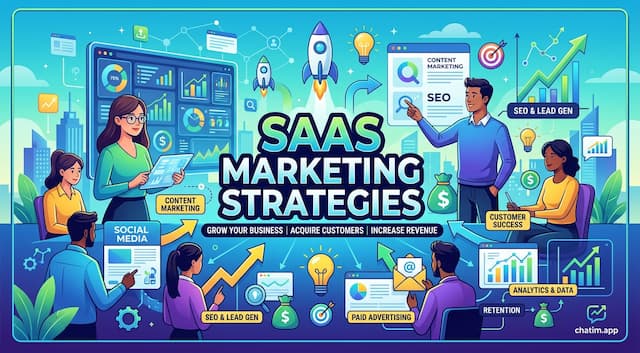 10 SaaS Marketing Strategies That Compound (2026)
Ten SaaS marketing strategies ranked by cost and time to results, the arithmetic that picks the right two or three for your price point, and what to skip.
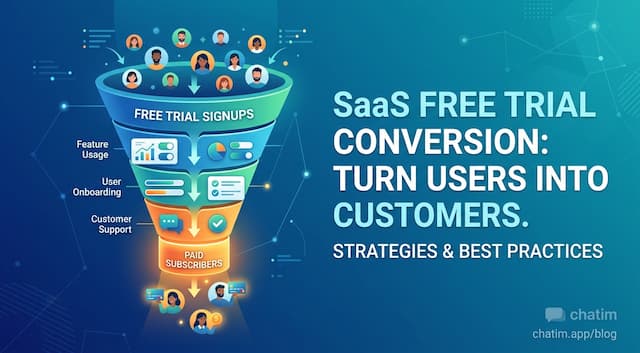 Free Trial Conversion: Fix Where Trials Actually Die
Forget trial conversion benchmarks: decompose the funnel, find which of the four deaths kills your trials, and apply the fix that matches, chat included.