Words of Appreciation: Messages for Work and Customers
The right words can change someone's whole day. A few sincere sentences tell an employee, a coworker, or a customer that their effort was seen and that it mattered. That signal is easy to skip and powerful to send.
This guide is a practical collection of words of appreciation for the people you work with: employees, the coworker who carries part of your load, the mentor who guides you, and the customers you serve. You will find ready appreciation messages for each group, a couple of quotes, and a simple way to write your own.
People love to feel valued, and the words you choose are how that feeling gets across. Whether you lead a team or sit inside one, honest appreciation is one of the easiest investments you can make.
What Words of Appreciation Really Do
Appreciation is the act of noticing someone's contribution out loud. Words of appreciation turn a private feeling of gratitude into something the other person can hear.
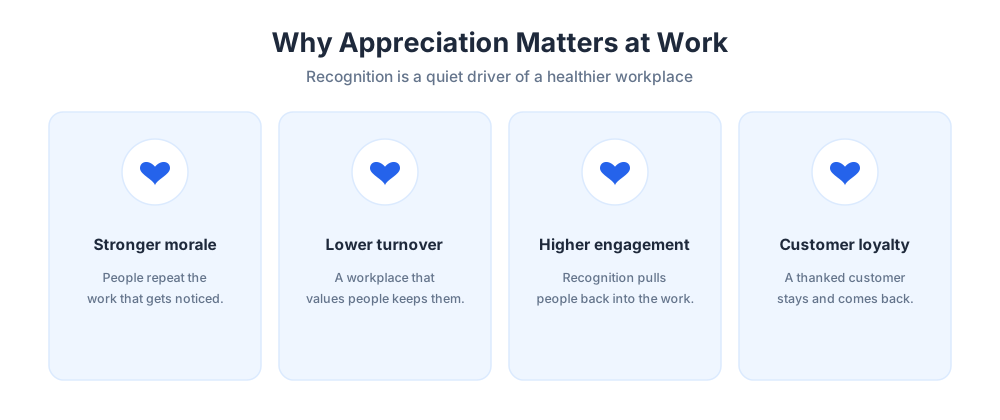
That matters because effort that goes unrecognized quietly fades. People repeat the work that gets noticed. When a manager names a specific contribution, they show the team what good work looks like.
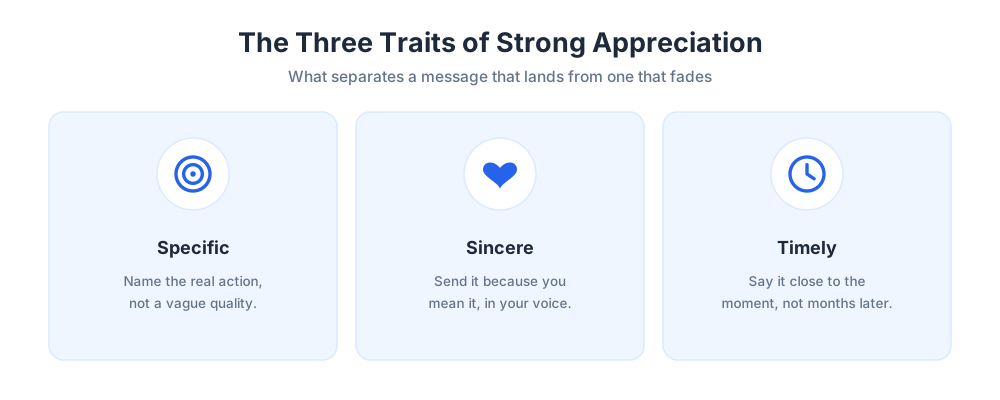
Strong appreciation messages share three traits. They are specific, sincere, and timely. A vague "thanks for everything" is forgettable. A clear line about what someone did lands and stays.
There is also a quiet business case here. People love genuine recognition, and a workplace that gives it freely keeps its best people longer.
Why Appreciation Matters at Work
People want to feel that their work counts. Regular appreciation is one of the simplest ways to give them that, and it costs nothing.
Teams that hear genuine gratitude tend to have stronger morale and lower turnover. Recognition is a quiet driver of engagement, and it can do as much to motivate a team as any formal program.
Appreciation also shapes how people support each other. When someone hears that their everyday support was noticed, they keep showing up that way. A few words of encouragement can carry a colleague through a hard week.
The best workplaces feel a little like family. Not because the work is easy, but because people look out for each other the way family does. A team that treats its people like family, and like trusted friends, holds on to them.
That sense of family does not appear on its own. It grows when colleagues thank each other and treat work friends as people first. Teamwork and collaboration are the result.
Appreciation works outside the team too. A customer who feels valued stays longer. Customers love a sincere thank you, and gratitude, sent often and meant honestly, is good for people and good for business.
Words of Appreciation for Employees
Employee appreciation is most powerful when it points at something real. Skip generic praise and name the contribution.
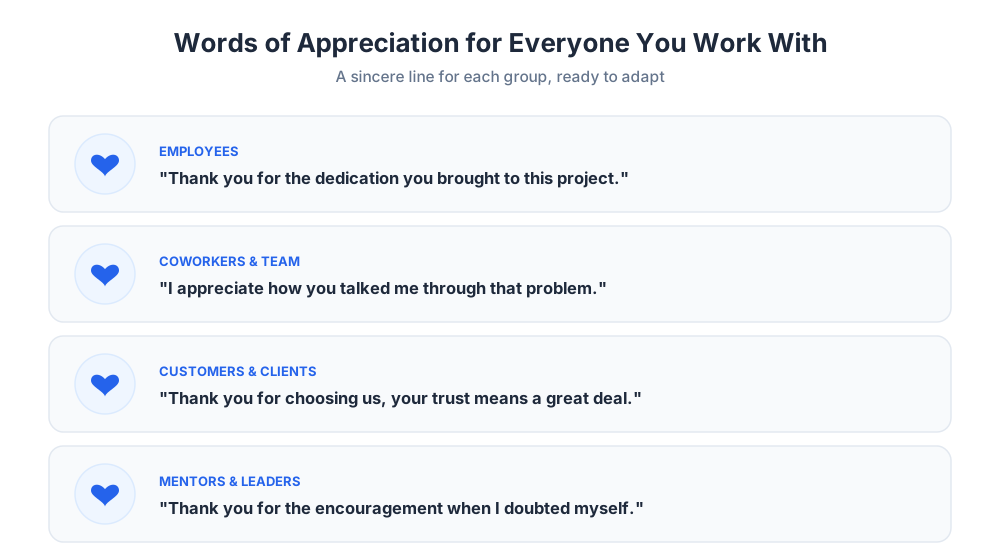
Try a message like "Thank you for the dedication you brought to this project. Your steady focus kept the team on track." Or keep it short: "I noticed how much care you put into that work, and I appreciate it."
The examples below show the same idea. "Thank you for the calm, positive attitude you bring to every meeting." Employee appreciation like this works because it names a real trait.
Dedication is worth calling out by name. When you tell someone their dedication mattered, they bring that same dedication next time. A line such as "I am grateful for everything you put into this team" can do more than a formal award.
Lines like these take seconds to send, yet they tell an employee their work is genuinely seen.
Messages for Help and Extra Effort
When someone goes beyond their role, say so directly. A good message for help sounds like "Thank you for stepping in when we were short staffed, you saved the day," or "I appreciate you helping a teammate without being asked."
Appreciation for everyday support is just as important as praise for big wins. A quick "thank you for always being someone the team can count on" recognizes the quiet, reliable support that holds a workplace together.
When a colleague offers their time freely, name that generosity. "Thank you for the generosity you showed in covering my shift, I will not forget it." Small acts of generosity keep a team running, and they deserve real appreciation messages.
You can also thank people for the support they give the wider group. "The help you offer new hires makes their first weeks so much easier, thank you." When you support a colleague openly, you give everyone permission to do the same.
Appreciation for Milestones and Long Service
A long stretch of service deserves its own words of appreciation. A five-year anniversary or a finished project is a natural occasion to pause and say something meaningful.
A heartfelt note works well here: "Five years of dedication have left a real mark on this team. Thank you for the contributions you have made along the way." This kind of heartfelt appreciation tells everyone that loyalty and steady effort are seen.
Try other heartfelt lines too. "Watching your dedication grow over these years has been a real privilege." A heartfelt message here is a small celebration of everything the person has given.
Appreciation Messages for Coworkers and Team Members
Appreciation does not only flow from managers. Some of the most meaningful messages move sideways, between coworkers who see each other's work.
Thank a colleague with something specific: "I appreciate how you talked me through that problem, your patience made a hard day easier." Recognition between equals builds the kind of trust that teamwork depends on.
You do not need a formal reason. A simple appreciation message dropped into a chat, like "thank you for being so generous with your time today," can lift a colleague more than a scheduled review will. That habit of small gratitude is what a healthy team feels like.
Colleagues often become work friends, and good friends notice when something is off. A line such as "I appreciate you checking in on me this week" honors that quiet friendship. The love and support that grows between close colleagues is one of the best parts of a job, and naming it keeps it strong.
Notice the thoughtfulness behind small gestures too. When a colleague remembers a detail or shares a useful link, that thoughtfulness is worth a word. "Thank you for the thoughtfulness you showed today." A team that values thoughtfulness ends up kinder and steadier under pressure.
The help colleagues give each other rarely shows up in a report, but it is real. When you appreciate it out loud, you make it normal, and people love working alongside teammates who say thank you.
Words of Appreciation for Customers and Clients
Customers rarely expect to be thanked, which is why it works. A few well chosen words of appreciation turn a transaction into a relationship.
Keep customer appreciation warm and specific. A message like "Thank you for choosing us again, your trust means a great deal to our team" tells a customer they are more than an order number.
The same warmth works for the services you provide. "Thank you for trusting our team with your business this year, it has been a pleasure to support you." Customers love to be remembered.
Thanking Loyal Customers
A loyal customer base is worth a special note. They have stayed with you, and saying so strengthens that bond.
Try "Thank you for being such a loyal customer, we are grateful for every year you have spent with us." Appreciation messages like this remind your best customers why they chose you, and why they should stay.
Recipients of a message like that remember it long after the purchase, and some mention it to others, so the goodwill spreads.
Appreciating Customer Feedback
When a customer takes time to tell you what they think, good or critical, thank them for it. A line like "Thank you for telling us what worked and what did not, it genuinely helps us improve" shows you were listening.
You can be warmer still. "We really appreciate you sharing your honest thoughts, it shapes how we get better." A customer who feels heard comes back, so a thank you here is a small message with an outsized effect on customer happiness.
Thank customers for their patience too, especially when something went wrong. "Thank you for your patience while we sorted this out, and for the trust you placed in our support team." Appreciation messages that acknowledge a rough moment often build the strongest loyalty.
Appreciation Messages for Mentors and Leaders
A good mentor shapes careers, often quietly. A thoughtful message is a fitting way to honor that mentorship.
Tell a mentor what their guidance changed: "Thank you for the encouragement you gave me when I doubted myself, it shaped how I work today." Specific gratitude like this means far more than a generic thank you.
The same applies to leaders. A short message such as "I appreciate the steady support and the example you set for the team" is a respectful, sincere way to recognize someone above you.
You can also thank a leader for the professional support they offer day to day. "Thank you for the steady guidance you give this team, it makes hard work feel possible." The support a good leader provides is felt long after a project ends.
Simple Appreciation Messages for Everyday Moments
Not every thank you needs a special occasion. Some of the best appreciation messages are simple lines sent on an ordinary day.
Keep a few ready: "Thank you, that really helped." "I appreciate you." "You made today easier." These short messages cost a moment and build a culture of gratitude one line at a time.
Written messages have a quiet advantage. People reread them on a tough day, and a folder of kind written messages can be a real source of encouragement when the work feels heavy.
Try sending these messages without waiting for a reason. "Just wanted to say I appreciate having you on this team." "Your support today made a difference, thank you." Short messages like these are the easiest appreciation messages to send.
If you send written thanks often, a warm habit of thank you messages keeps appreciation flowing without ever feeling forced.
Appreciation Quotes to Inspire Your Own Words
Sometimes a well known line helps you find your own. A short appreciation quote is a useful starting point when the words are hard to reach.
Reflections such as "gratitude turns what we have into enough" or "people may forget what you said, but they remember how you made them feel" capture why appreciation matters. Use a quote as a spark, then write the personal message yourself, because your own words will always mean more.
A quote can open a message, but it should never replace the real thing. The best quotes are a doorway, not the room. Pair a line you love with a sentence about this person, and you express appreciation that feels earned rather than borrowed.
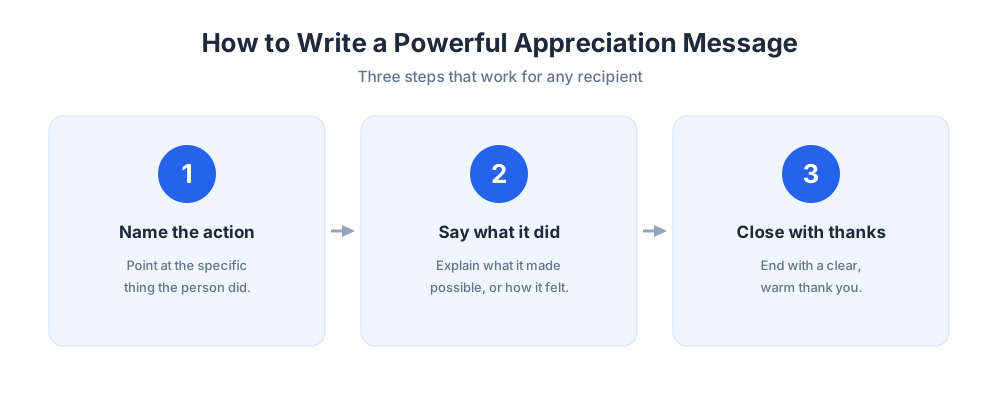
How to Write a Powerful Appreciation Message
A powerful appreciation message is not about fancy language, it is about attention. Anyone can write one with a clear structure.
Name the specific thing the person did. Say what it made possible or how it made you feel. Then close with a warm thank you. That three part shape works for an employee, a coworker, a mentor, or a customer.
Be Specific and Sincere
Specific beats grand every time. "Thank you for staying late to fix the report before the call" lands harder than "thank you for your hard work," because the recipient knows you noticed.
Sincerity matters just as much. Send appreciation when you mean it, in your own voice, and keep the message short. A brief, honest note always beats a long one written out of obligation.
Match the words to the person. The support you thank a quiet colleague for is different from the support you thank a new hire for, so let the message fit. The more it sounds like you, the more it will mean.
How Live Chat Helps You Show Customers Appreciation
Showing appreciation to customers works best in the moment, and live chat makes that easy. An agent can thank a customer the instant they finish a purchase.
Live chat also keeps customer appreciation consistent. Saved replies give every agent a warm, sincere starting point, and a manager can review real conversations to coach gratitude that strengthens loyalty rather than sounding scripted.
It helps the support team, too. When agents can send quick, warm appreciation messages without hunting for words, a support team turns ordinary chats into loyalty.
A platform like Chatim brings chat, customer history, and your support notes into one place, so every agent has the context to send appreciation that feels personal.
Make Appreciation a Daily Habit
Words of appreciation are not a once a year gesture. They work best as a daily habit, woven into how a team communicates.
Start small. Pick one person today, an employee, a coworker, or a customer, and send them a specific, sincere thank you.
Do that consistently and appreciation stops being something you schedule. It becomes part of how you lead, how you collaborate, and how you deliver customer service people remember.
The words of appreciation you choose are simple, but their effect compounds. Sincere appreciation messages, sent often, turn a workplace into somewhere people stay.
Frequently Asked Questions
What is a powerful appreciation message?
A powerful appreciation message is specific, sincere, and timely. Instead of a vague 'thanks for everything,' it names exactly what the person did and why it mattered, for example 'Thank you for staying late to fix the report before the client call, it saved the whole team.' The power comes from attention, not fancy language. When the recipient can tell you actually noticed their effort, even a short message lands and stays with them.
What are the good words for appreciation?
Good words for appreciation are warm, specific, and honest. Useful building blocks include 'thank you,' 'I appreciate,' 'grateful,' 'dedication,' 'support,' and 'made a difference.' The strongest words of appreciation pair one of these with a concrete detail, such as 'I am grateful for the dedication you brought to this project.' Avoid empty superlatives; a plain, sincere line about real work always beats a grand phrase that says nothing.
How do you express gratitude and appreciation?
Express gratitude by naming the specific contribution, saying what it made possible or how it made you feel, and closing with a clear thank you. That simple three part shape works for an employee, a coworker, a mentor, or a customer. Send it close to the moment, in your own voice, and keep it short. A brief, honest message delivered soon after the effort means far more than a long one written out of obligation.
What is a nice quote for appreciation?
A nice appreciation quote can be a helpful spark when the right words are hard to reach. Familiar reflections such as 'gratitude turns what we have into enough,' or the idea that people forget what you said but remember how you made them feel, both capture why appreciation matters. Use a quote to open or frame a message, then write the specific, personal part yourself, because your own words about this person will always mean more.
What are words of appreciation?
Words of appreciation are sincere statements that tell someone their effort was noticed and valued. They turn a private feeling of gratitude into something the other person can actually hear. In a workplace, they might recognize an employee's dedication, a coworker's support, or a customer's loyalty. They are not flattery; they are a clear, honest acknowledgment of a real contribution, and they work best when they are specific and genuine.
Why does appreciation matter at work?
Appreciation matters at work because effort that goes unrecognized quietly fades, while effort that gets noticed gets repeated. Teams that hear genuine gratitude tend to have stronger morale, higher engagement, and lower turnover. Appreciation also shapes how colleagues support each other and how customers feel about your company. It costs nothing but attention, which makes regular, sincere recognition one of the simplest and most effective habits a workplace can build.
What are good words of appreciation for employees?
Good employee appreciation points at something real. Try 'Thank you for the dedication you brought to this project, your steady focus kept the team on track,' or 'I noticed how much care you put into that work, and I appreciate it.' For a milestone, a heartfelt note works well: 'Five years of dedication have left a real mark on this team.' Naming a specific trait or contribution makes the message land far harder than generic praise.
How do you appreciate a coworker?
Appreciate a coworker with something specific and personal, since recognition between equals builds real trust. A line like 'I appreciate how you talked me through that problem, your patience made a hard day easier' works well. You do not need a formal reason; a simple appreciation message dropped into a chat, such as 'thank you for being so generous with your time today,' can lift a colleague more than a scheduled review ever will.
What are words of appreciation for customers?
Words of appreciation for customers should be warm and specific. A message like 'Thank you for choosing us again, your trust means a great deal to our team' tells a customer they are more than an order number. For a loyal customer, try 'Thank you for being such a loyal customer, we are grateful for every year with us.' Thanking customers for honest feedback or for their patience after a problem often builds the strongest loyalty of all.
How do you thank a mentor?
Thank a mentor by telling them what their guidance actually changed. A line such as 'Thank you for the encouragement you gave me when I doubted myself, it shaped how I work today' means far more than a generic thank you. Mentors rarely see the long term effect of their support, so naming a specific moment or piece of advice, and the difference it made, is the most meaningful appreciation you can offer.
What is a simple appreciation message?
A simple appreciation message is a short, sincere line sent on an ordinary day, with no special occasion required. Examples include 'Thank you, that really helped,' 'I appreciate you,' or 'Your support today made a difference.' These messages take seconds to send, yet they build a culture of gratitude one note at a time. Sent often and meant honestly, simple messages are some of the most effective words of appreciation there are.
How often should you show appreciation at work?
Appreciation works best as a daily habit rather than a once a year gesture. You do not need a formal reason or a special occasion; a quick, specific thank you whenever you notice good work is enough. The goal is to make recognition normal, so it never feels staged. A steady stream of small, sincere appreciation messages does far more for a team than a single big event each year.
How do you make an appreciation message feel sincere?
An appreciation message feels sincere when it is specific, written in your own voice, and sent because you mean it. Name the real action, not a vague quality, so the recipient knows you genuinely noticed. Keep it short, since a brief honest note beats a long obligatory one. Match the words to the person, and avoid copying a generic template, because sincerity is what separates appreciation that lands from appreciation that sounds scripted.
Related articles
More in Customer service → SaaS Customer Support: The Stage-by-Stage Guide (2026)
How SaaS customer support actually works at each stage: the right stack from founder-led live chat to a full support operation, channels, and metrics.
 How to Reduce Customer Churn: 5 Levers in Payback Order
Reduce customer churn by pulling five levers in payback order: payment recovery, onboarding, support quality, pricing fit, and a 90-day win-back.
 10 FAQ Page Examples That Actually Help Customers (2026)
10 FAQ page examples from Shopify, Airbnb, Slack, Nike and more, with the exact pattern each gets right and a checklist to build your own FAQ page.
 12 Customer Service Email Templates for Every Scenario (2026)
12 customer service email templates for complaints, refunds, delays, bugs and saying no, plus the five-line skeleton that keeps them sounding human.